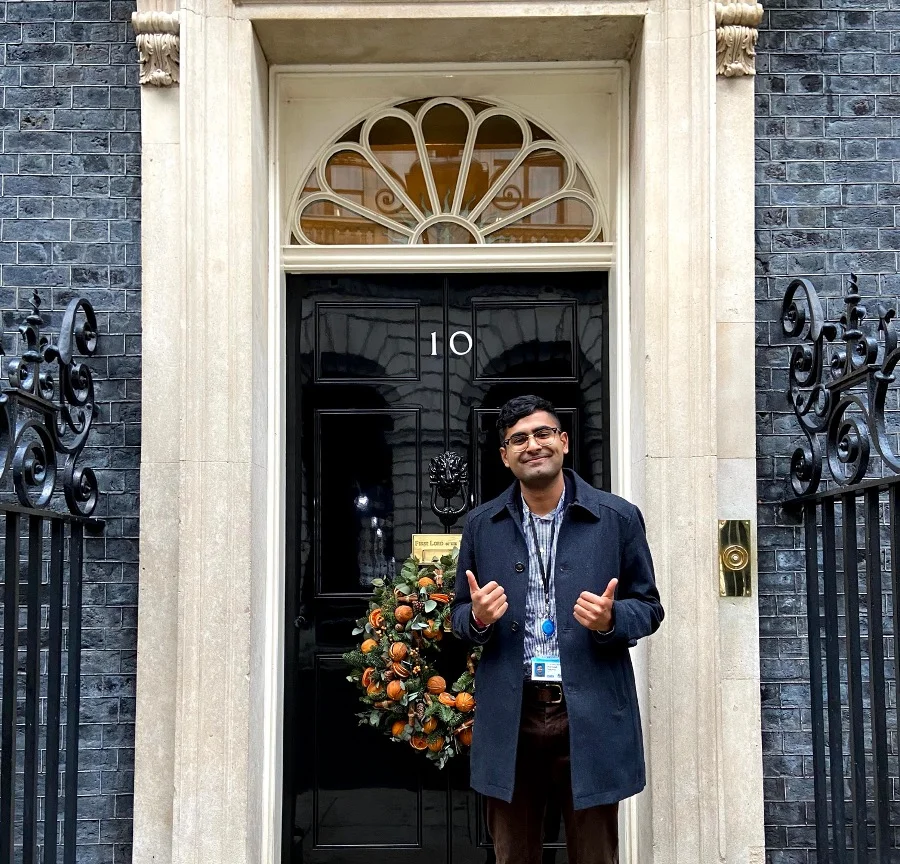

China is a country that defies easy description. Everywhere you turn, something extraordinary is waiting: imperial palaces, ancient armies buried underground, and a skyline that makes you question everything you thought you knew about modern cities. Few countries carry the weight of history China does, and even fewer match its ambition for the future.
I visited as part of the China Golden Triangle tour with Tomato Travel, a nine-day fully guided trip running from Beijing to Shanghai via Xi’an. If you are considering this tour, here is what I loved about it: you are taken care of every step of the way. Getting around, navigating major attractions, finding restaurants — your guide handles it all. You also meet a wonderful group of fellow travellers along the way. The trade-off is that the pace is relentless. You are often on the go from early morning, and some days leave little room to breathe. Our guides were excellent, and their command of English was impressive. When my card got swallowed by a machine, my guide stepped in and helped me resolve it. That kind of support is invaluable when you are far from home.
Before You Go: Essential Apps for China
Download these apps before you leave home. Without them, daily life in China is considerably harder.
Amap is the Google Maps of China, and it is far more reliable within the country than Google Maps, which is blocked. It gives detailed directions, lane-by-lane guidance and real-time traffic updates. Even as a non-Mandarin speaker, the app is navigable and is essential for getting around.
WeChat is so much more than a messaging app. It functions as a payment platform, a cab-booking service, a social network and a general utility all in one. I used it to book a DiDi cab, and it was seamless. Many locals conduct their daily lives almost entirely through WeChat. Set it up before you travel while you still have easy access to your home network.
Alipay is China’s other super app and its dominant mobile payment platform. Many vendors, restaurants and transport services prefer or require contactless payment through Alipay or WeChat Pay. Having both installed means you are covered in almost every situation. Cash is still accepted in some places, but in cities like Shanghai, digital payment is the norm.
Much of China, particularly outside the tourist trail, does not cater heavily for English speakers. Google Translate’s camera feature, which translates text in real time through your phone’s camera, is invaluable for reading menus, signs and product labels. Download the Chinese language pack for offline use before you leave home, as accessing Google services in China requires a VPN.
Top Tip: Set up a VPN before you arrive. Many Western apps and websites, including Google, are blocked in China. Having a VPN installed and tested at home means you can access them throughout your trip.
Day 1: Travelling to China
I boarded a Flix Bus for the first time, and it felt exactly like a National Express. The journey did not go entirely to plan. The coach developed a fault, which delayed us by an hour, and the driver offered no communication throughout. Eventually, we made it to Heathrow. Terminal 4 is a faff to reach. You need to take the Elizabeth Line, though at least that leg of the journey is free. Food options at the terminal were limited, which was disappointing. I flew with China Southern. Their app is atrocious and near impossible to navigate, but the flight itself was good. The chicken was tasty, and a tub of Strawberry and Cream Häagen-Dazs was a lovely touch.
Day 2: Landing in Beijing
Landed in Beijing! It is a massive airport. On arrival, I spotted machines for international travellers to register their fingerprints. Mine did not work, though you can complete the process at immigration instead, alongside your arrival card. I filled out the arrival card at Heathrow, which I recommend, as connecting to WiFi in Beijing proved tricky.
After a few panicky moments at the arrival gates, I found my pre-booked driver. I am glad I arranged this in advance, as navigating the airport alone would have been a challenge. The roads out of the airport were five lanes wide and wonderfully sparse. Fog and cloud draped the landscape, giving everything an air of mystery. The driver used a navigation app that told him not only which lane to take, but which lane he was currently in. When he changed lanes, his monitor displayed a 3D view of the surrounding vehicles. Remarkable. It was also great to see so many electric vehicles on the road.
Accommodation:
It took around 40 to 50 minutes to reach the Pullman Beijing South hotel, which sits at the edge of the main city. The hotel was imperious, elegant and decked out in marble throughout. The heated toilet seat, activated at the touch of a button, was the real definition of luxury. Despite the niceties, I don’t recommend this hotel because there’s nothing to do in the local area. I found a 7-Eleven, which proved handy for lunch runs. Dinner was more of a struggle. I felt overwhelmed by the number of restaurants on offer at the local mall, so when I found a ramen joint, that was the place for me.
Day 3: Tiananmen Square and the Forbidden City
I fuelled up at the hotel’s luxurious buffet. The spread was immense, covering everything from wontons to Chinese vegetables. Some tasted wonderful, others less so, but that is all part of the experience.
I met the tour guide from Tomato Travel at 9am in the lobby. I was the second youngest member of the group, an older and well-travelled crowd who were up for most things.
We headed to Tiananmen Square, the largest city square in the world. Beijing operates on a grand scale. With 21 million people, it can take two hours to travel just three kilometres. The architecture feels austere and grey, though the scale commands respect. We waited two hours just to enter the square, and I doubt I could have managed this without a guide.
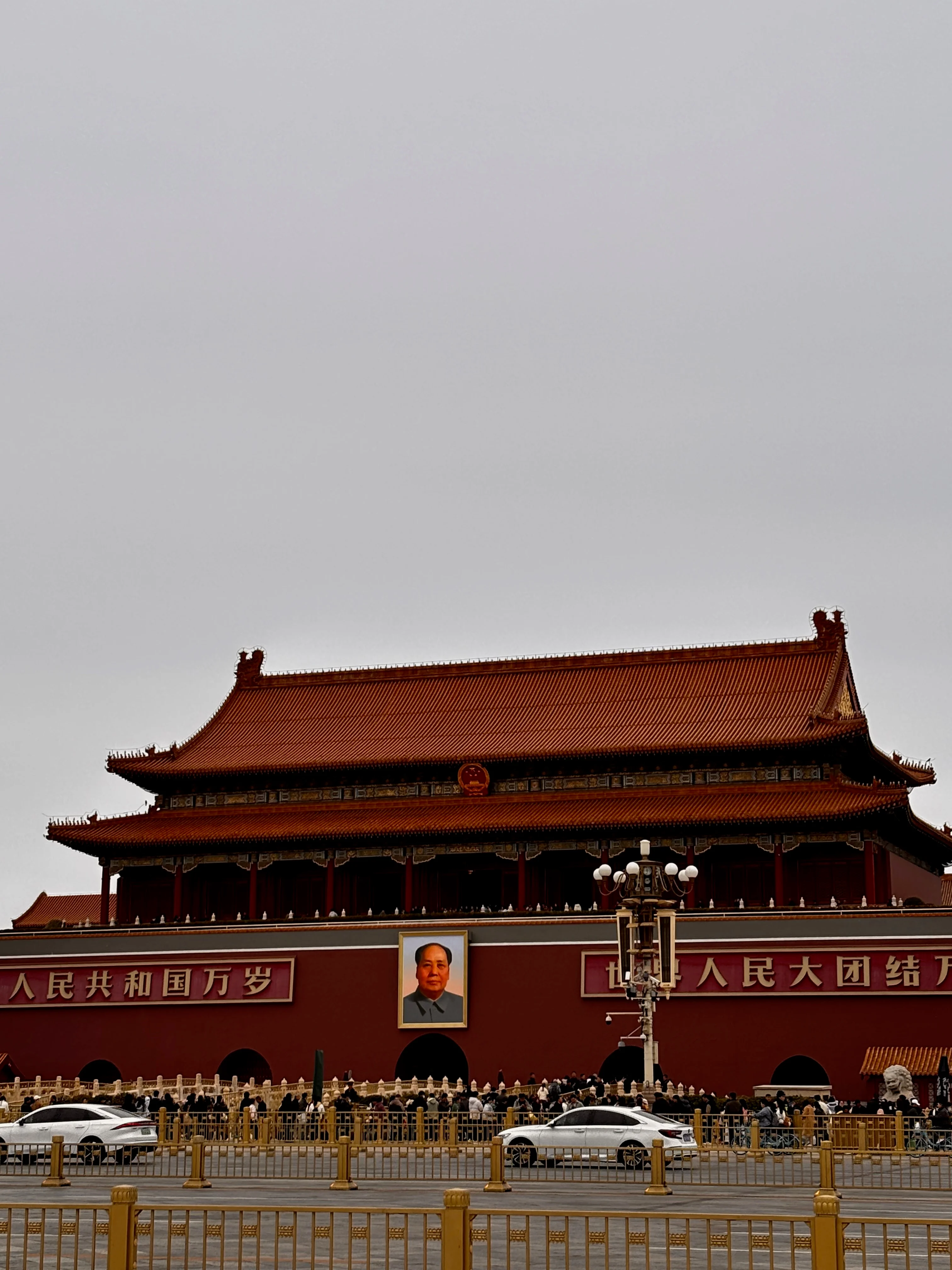 A potrait of Mao at the entrance of the Forbidden City.
Inside, you get a real sense of China’s immense history. Mao’s mausoleum sits in one corner, the National Museum in another, the The Great Hall of the People nearby, and the Forbidden City visible in the distance. I wished we had more time to explore the individual buildings.
Top Tip: A tour guide is essential here. Be aware that there will be restrictions on what you can visit, and the queues can be very long.
The Forbidden City served as the domain of emperors from the Ming dynasty in 1420 through to the final Qing emperor in 1912. Today it stands as one of China’s most impressive sights. The buildings are stunning and the artwork is mesmerising. We did not see everything, and I am not sure we had the time to do so.
After a long day without food, our guide took us for Peking Duck. I loved rolling slices of duck into tiny pancakes filled with hoisin sauce, spring onions and cucumber.
In the evening, we attended a Chinese Acrobatics show that has won awards for its death-defying performances. Highlights included jumping through hoops, motorbikes circling inside a metal cage, and a performer balancing atop a tower of stacked chairs reaching the ceiling. At 375 Yuan, it felt a little pricey, but it was still enjoyable.
Day 4: The Great Wall and the Temple of Heaven
We headed to the Great Wall, one of the true wonders of the world. Built initially by the Qin dynasty to protect the Chinese empire, it was later expanded by successive dynasties.
On the way, we stopped at a jade shop. Our guide explained the three protective animals of the emperor: the lion, the Pixiu (which believed to help retain wealth and ward off unwanted attention) and the Qilin.
We visited Juyongguan Pass, one of the nine most important fortresses along the wall, located at a natural valley between the Inner Mongolia Plateau and the Beijing plain. Walking up the wall is hard work. The steps are steep, and with railings on one side and other visitors stopping frequently, progress can be slow. The views are spectacular at every point though.
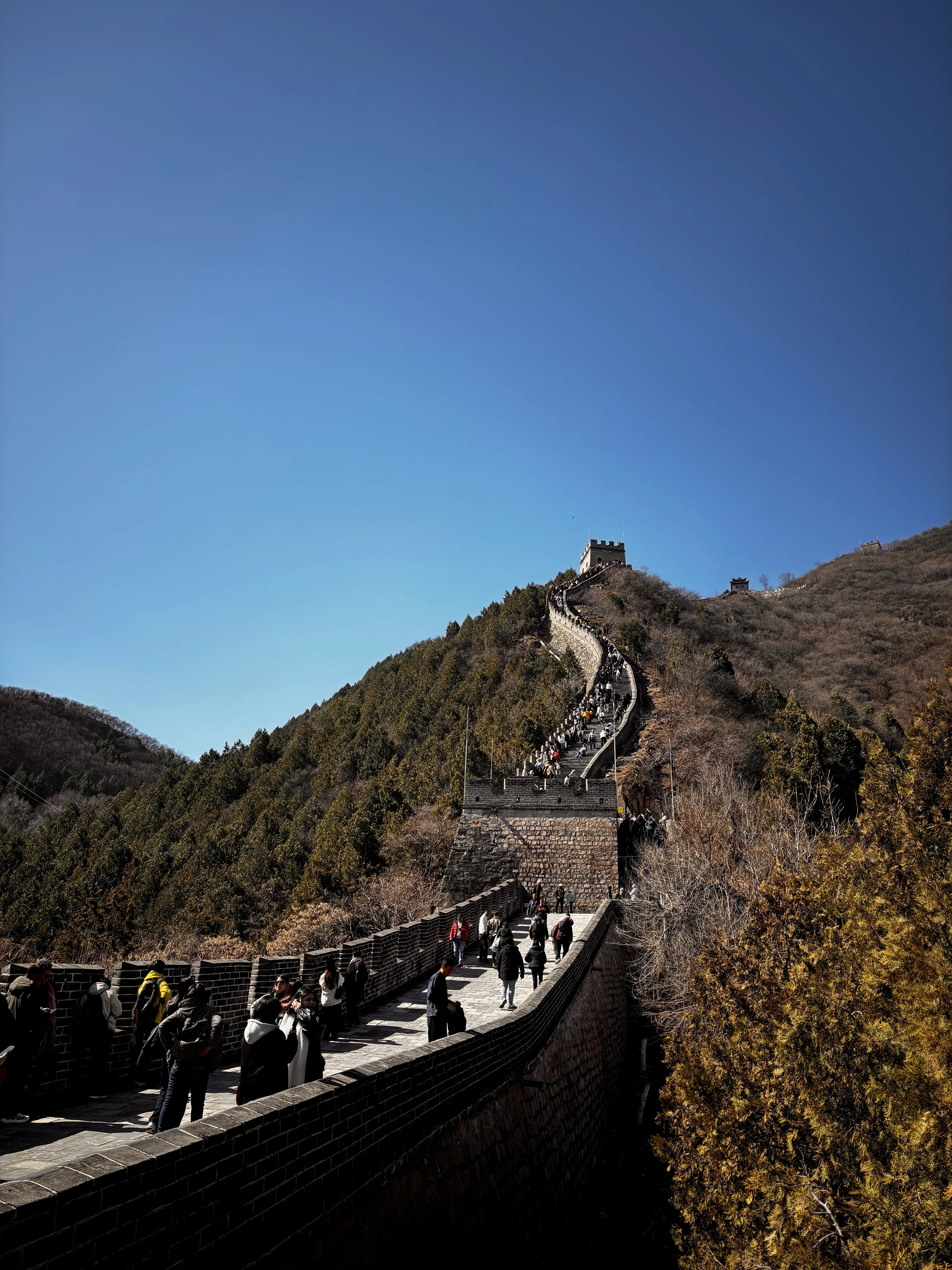
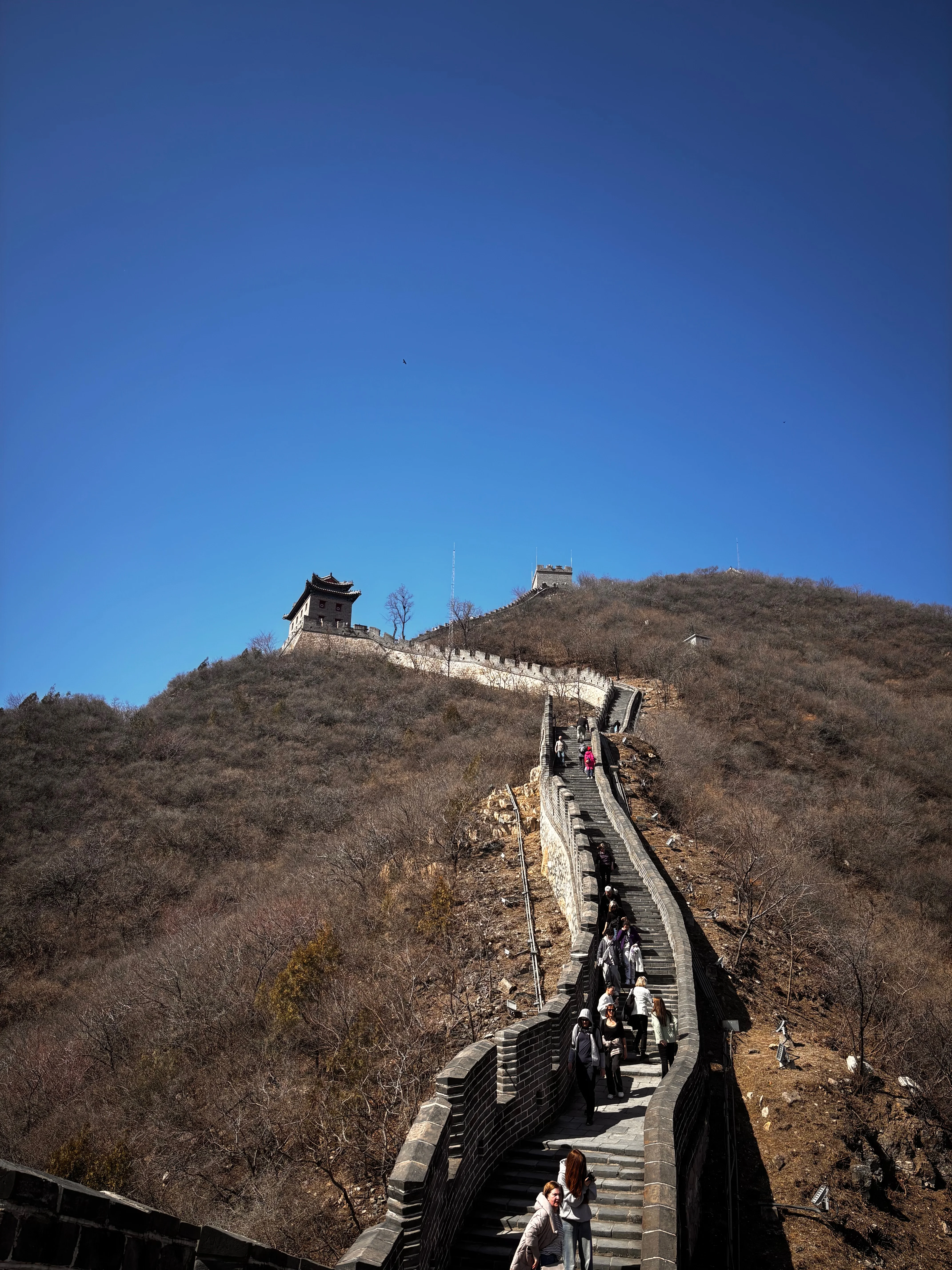
Top Tip: You do not need to reach the very top to enjoy the Great Wall. Stop wherever the views call to you.
Afterwards, we visited the Temple of Heaven, an imperial complex where emperors once came to hold annual ceremonies and pray for a good harvest.
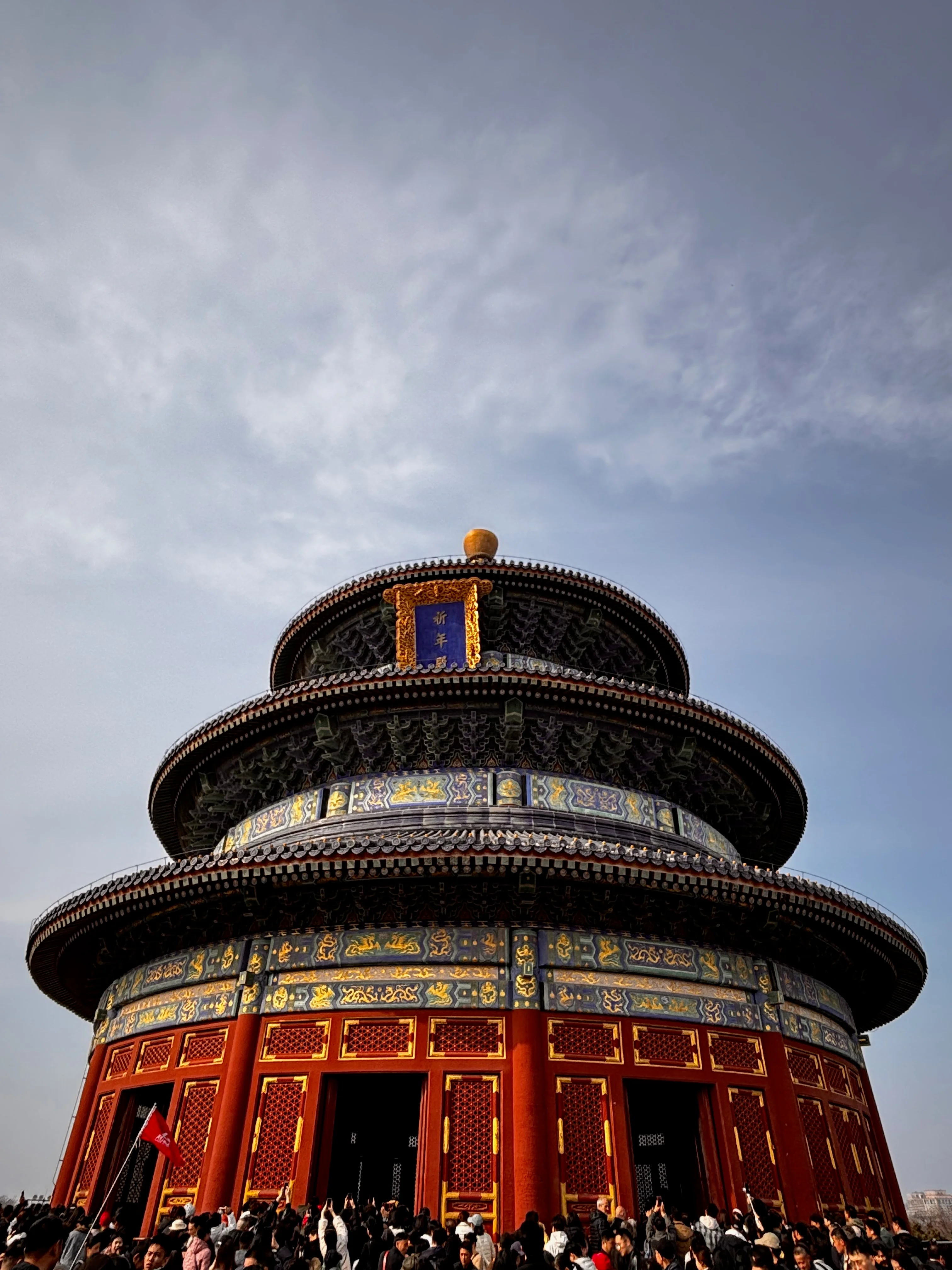 Temple of Heaven.
Day 5: The Summer Palace and a Hutong Lunch
We began the morning at a traditional Chinese medical clinic, where we received a free foot massage alongside health checks from practitioners. They rely on several methods to assess a patient, with the pulse being the most important. Remarkably, they identified my issues almost immediately. They recommended a course of treatment, though it was extremely expensive.
Next, we headed to the Summer Palace. This 716-acre site surrounds the beautiful Kunming Lake. Like the emperors before me, I much preferred this to the Forbidden City. The trees here are beautiful, and seeing a magnolia tree in bloom was a particular highlight.
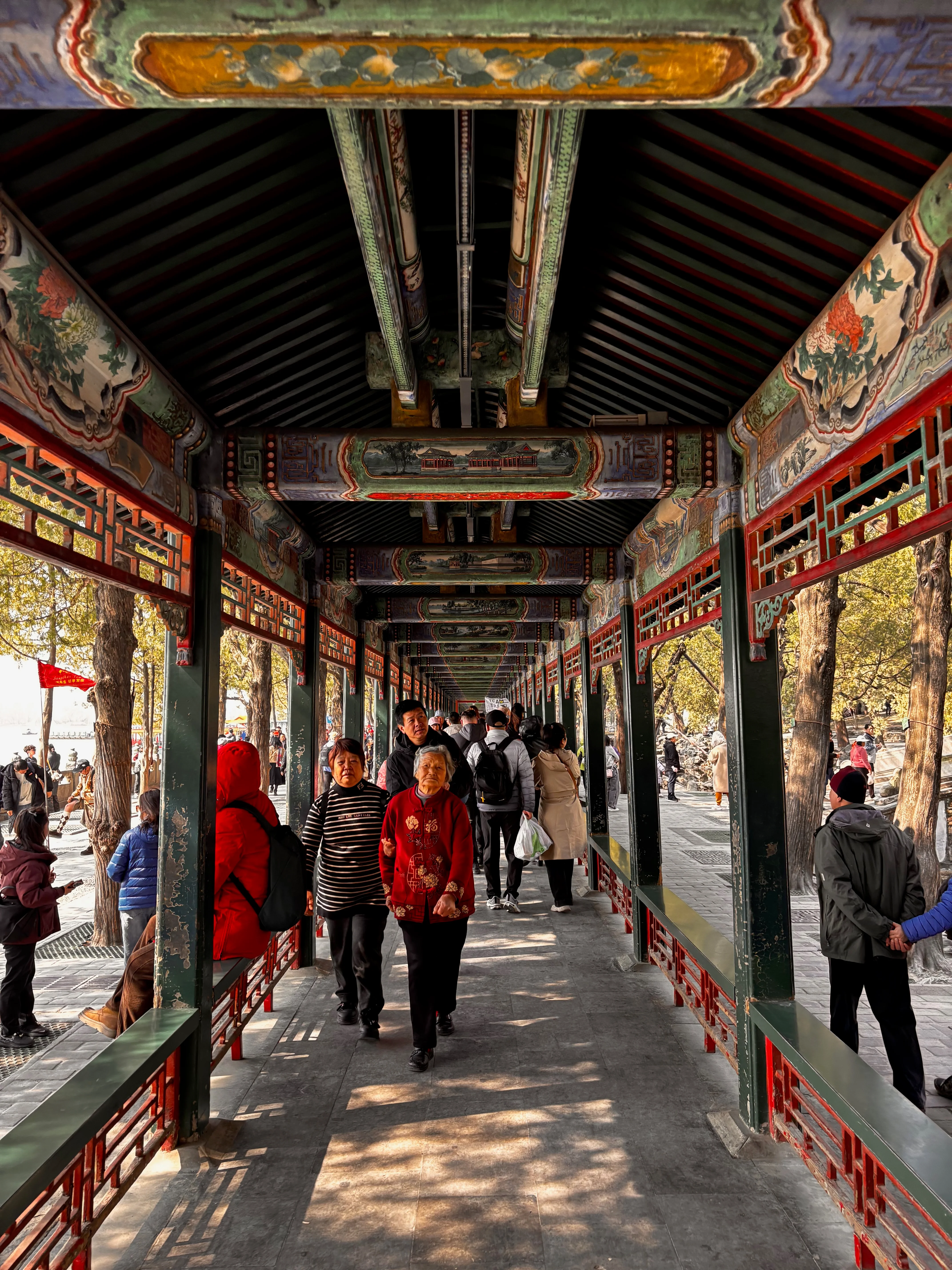 The Summer Palace.
I booked onto the Hutong rickshaw and homemade lunch tour. This gave us the chance to see classic Beijing courtyard architecture up close. The meal served by a local family was my favourite of the entire trip: homemade dumplings and kung pao chicken. We then took a rickshaw around the lake before exploring the many side streets, where you can pick up souvenirs and street food.
Top Tip: The Hutong area is a must. It captures a side of Beijing that feels worlds away from its wide, modern roads.
Day 6: Beijing to Xi’an by Bullet Train
After an early start, we caught a bullet train to Xi’an. The train was spacious and comfortable, and the speed hovered around 297km/h. Travelling by bullet train feels like gliding. I wish we had them in the UK.
Xi’an station is one of the largest in China, and we got a little lost finding our tour guide.
Accommodation:
Once reunited, we dropped our bags at the Jinhui Pullman Hotel Xi’an. Similar to our Beijing accomodation, the entire hotel was decked out in marble. The room was lovely. Everything was controlled through buttons including the blinds.
After we headed to the Muslim Quarter. It is colourful and vibrant. Our local guide advised against eating from the street stalls, as they were unsure how long the food had been sitting out. Near the Bell Tower, a “free exhibition” turned out to be a dreadful display followed by being trapped inside a gift shop maze. I genuinely spent ten minutes trying to find the way out.
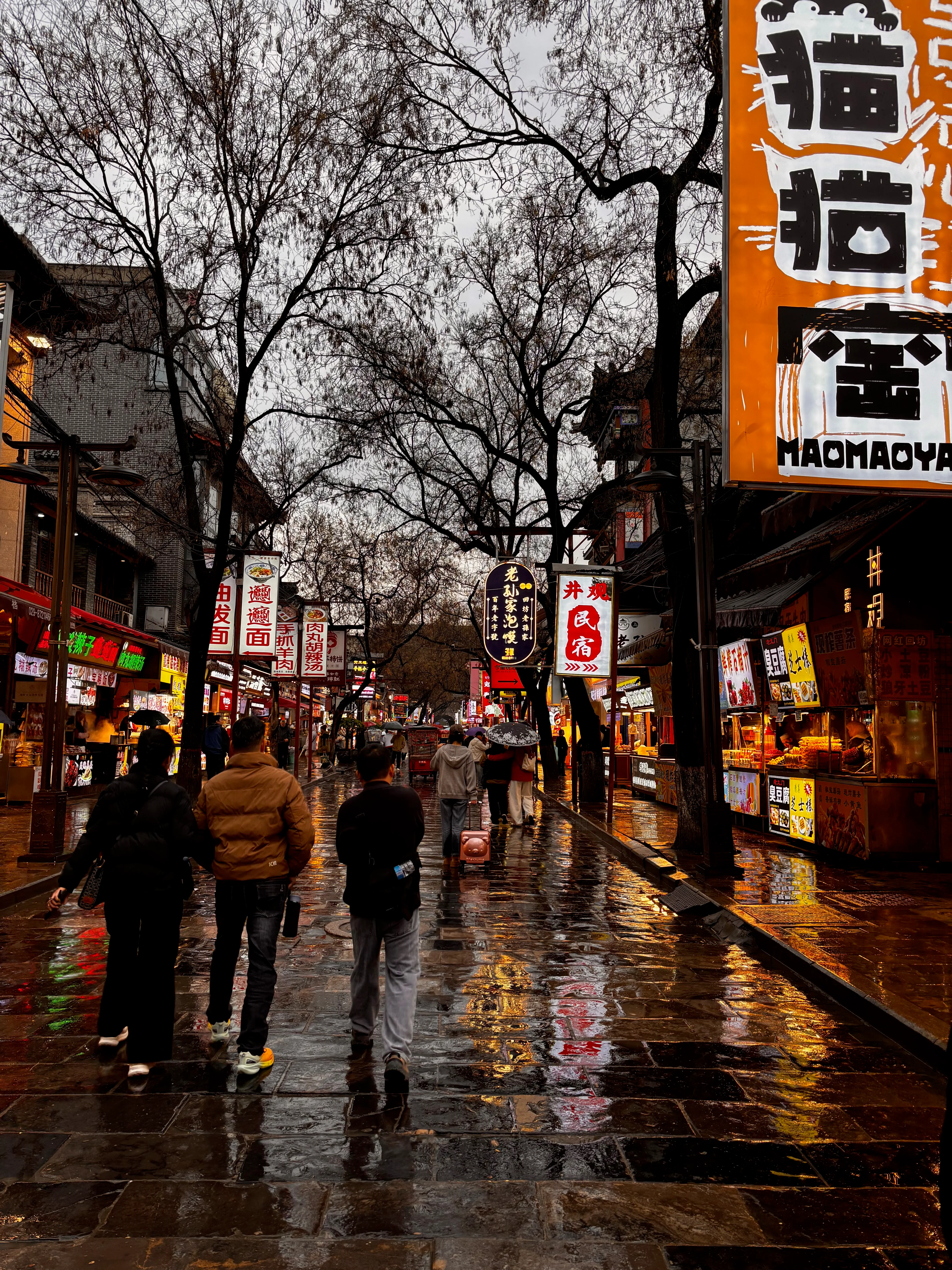 The Muslim Quarter.
In the evening, we attended the highly rated Tang Dynasty Music and Dance Show, complete with a dumpling banquet. Platter after platter arrived, each dumpling a different size, shape, colour and filling. The performance tells the story of the Tang Dynasty and Empress Wu. The show was worth it, though my early start made it a real battle to stay awake.
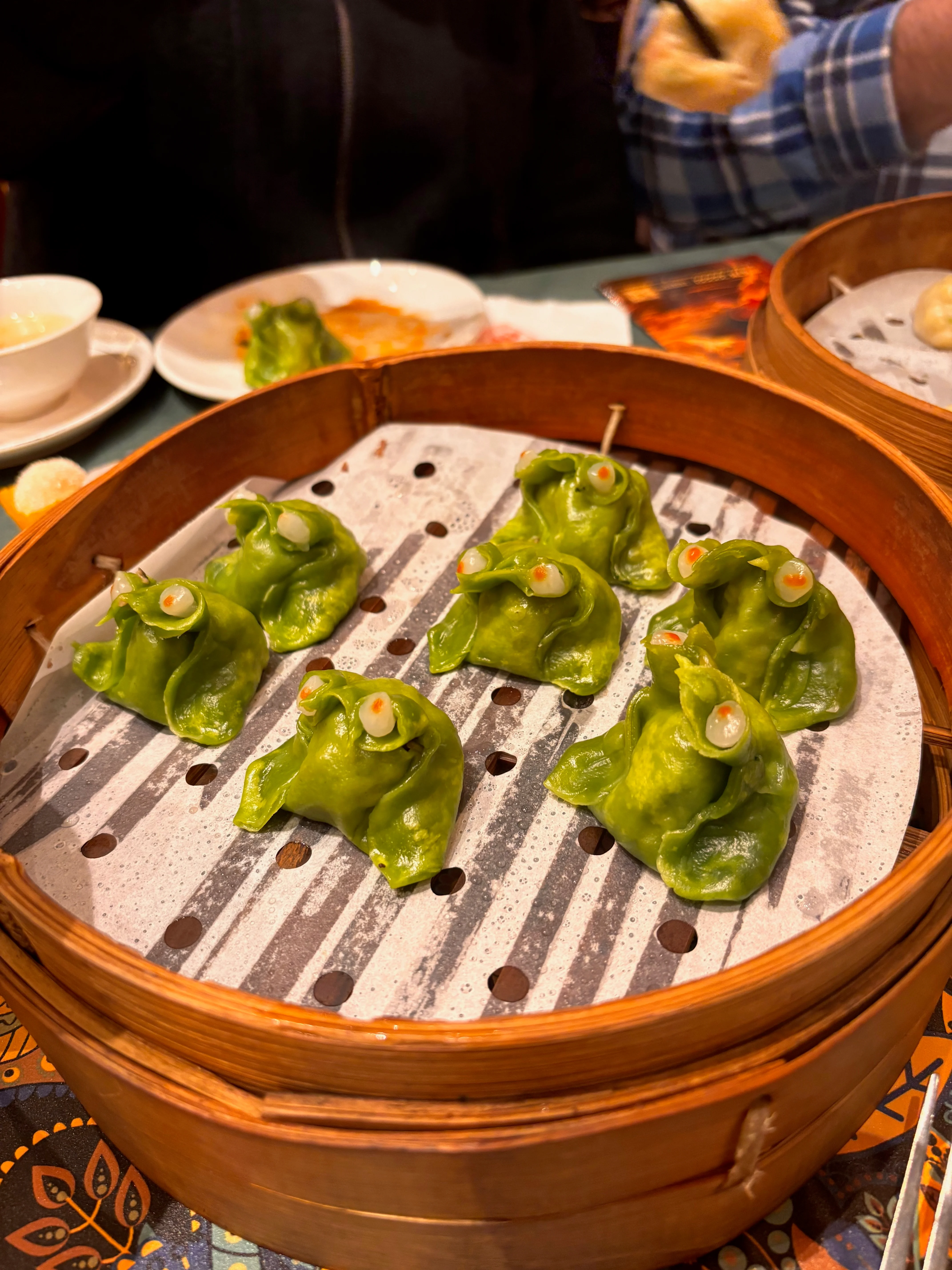 Dumplings!
Day 7: Terracotta Warriors and a Chinese Massage
Xi’an is a pocket rocket of a city. This was once the start of the Silk Road and a former capital during the Tang Dynasty, a golden period for Chinese culture that had a profound influence on countries including South Korea and Japan.
We started at the Small Wild Goose Pagoda, a historic Buddhist structure built in the 8th century. Originally part of the Jianfu Temple, it stored sacred Buddhist scriptures brought from India. Standing at around 43 metres today, reduced by earthquake damage, the pagoda is celebrated for its elegant brickwork and its remarkable survival through numerous earthquakes.
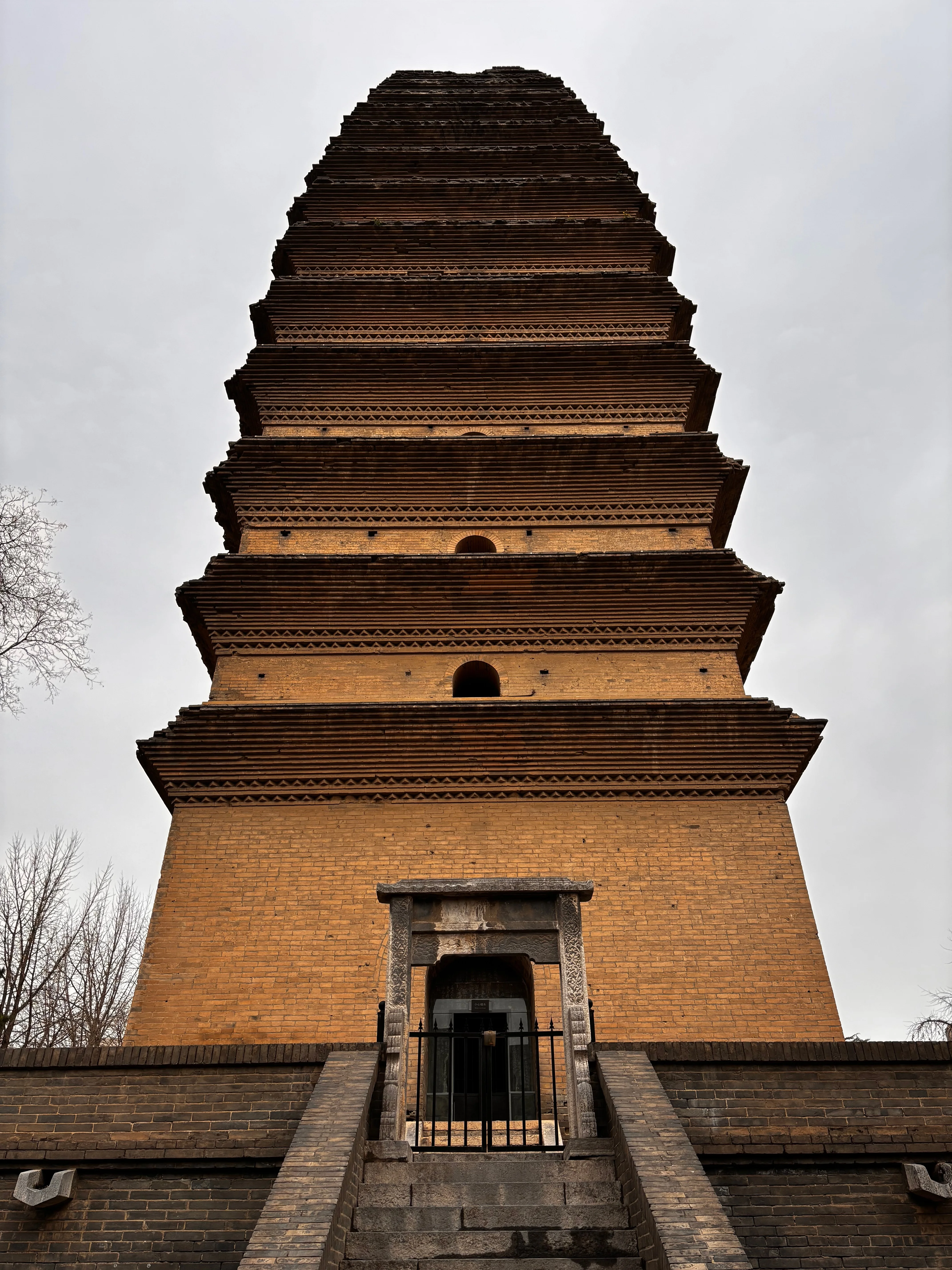 Small Wild Goose Pagoda.
We then visited a government-run workshop focused on educating tourists and producing replica terracotta warriors. This is the place to buy your souvenirs. The quality is trustworthy and the selection is impressive.
After lunch, we visited the Terracotta Army. This is one of the most extraordinary archaeological discoveries in the world: thousands of life-sized clay soldiers, horses and chariots buried with China’s first emperor, Qin Shi Huang, to protect him in the afterlife. Discovered in 1974 by local farmers near Xi’an, the army dates back over 2,200 years to the Qin dynasty. Each figure is uniquely detailed, with distinct facial expressions, hairstyles and ranks. It is now a UNESCO World Heritage Site. I had the same feeling here as I did at Machu Picchu: pure awe at the scale and willpower behind its creation. The sheer size of the hangar-like buildings housing the warriors only adds to the drama.
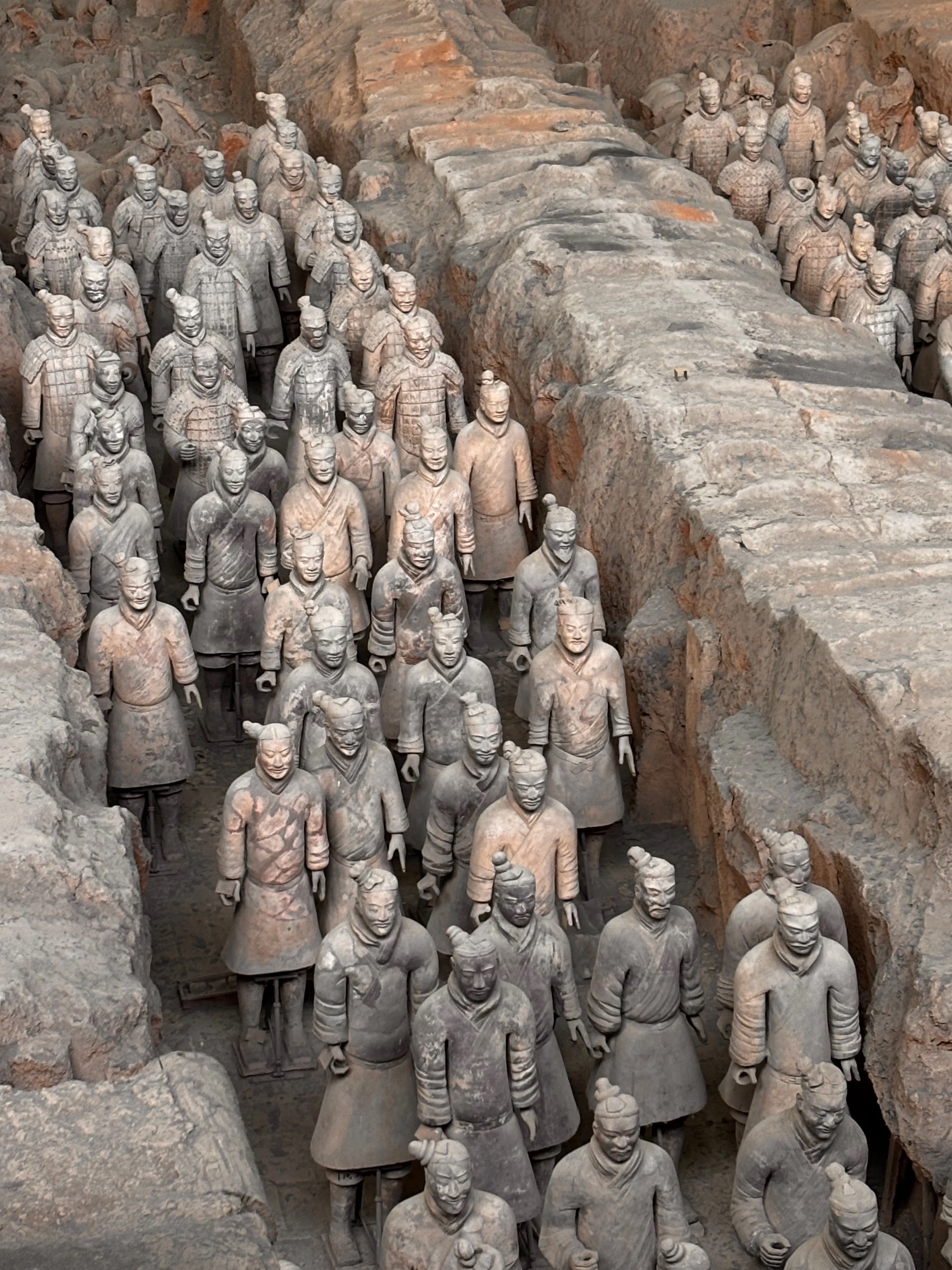
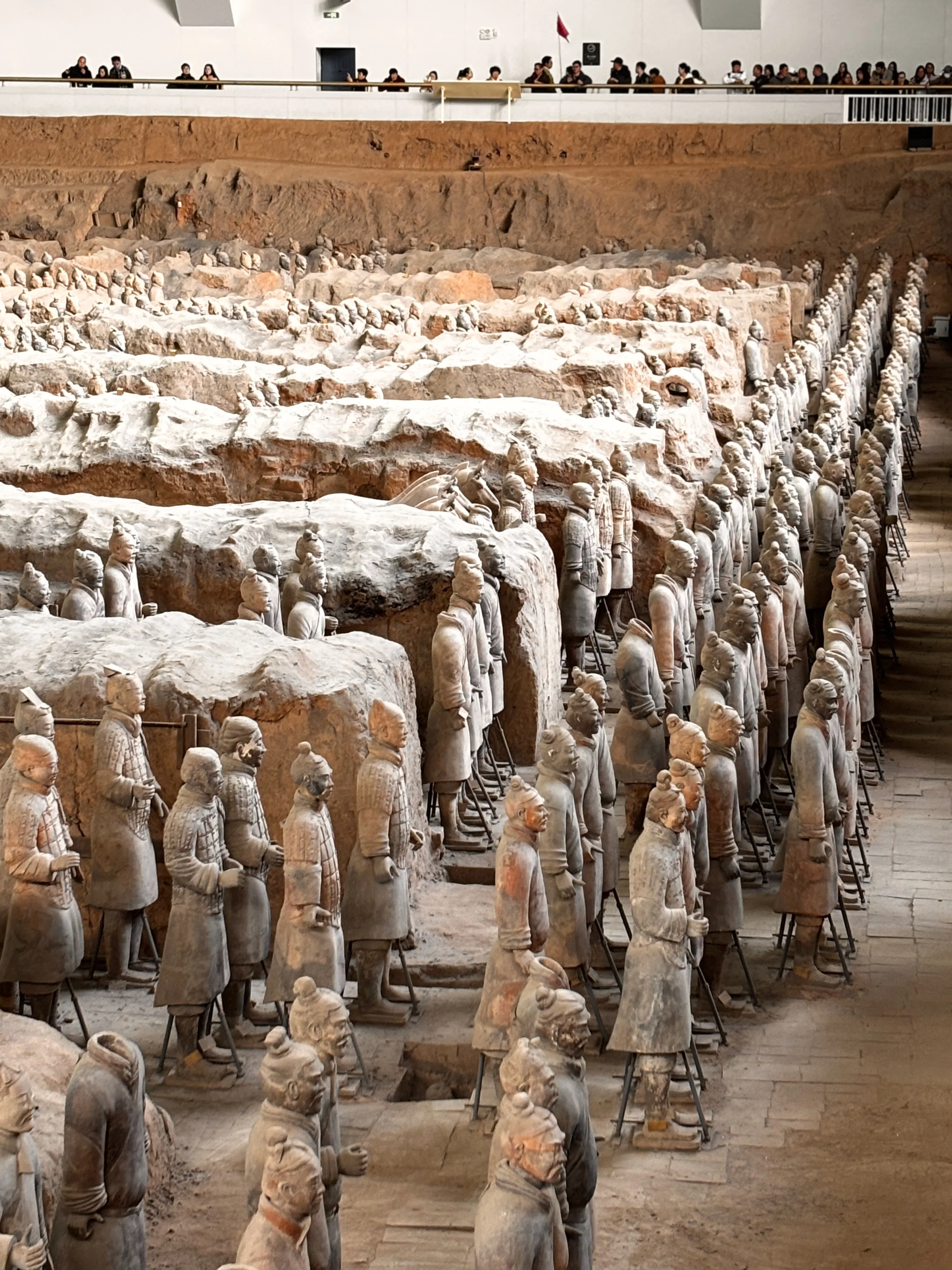
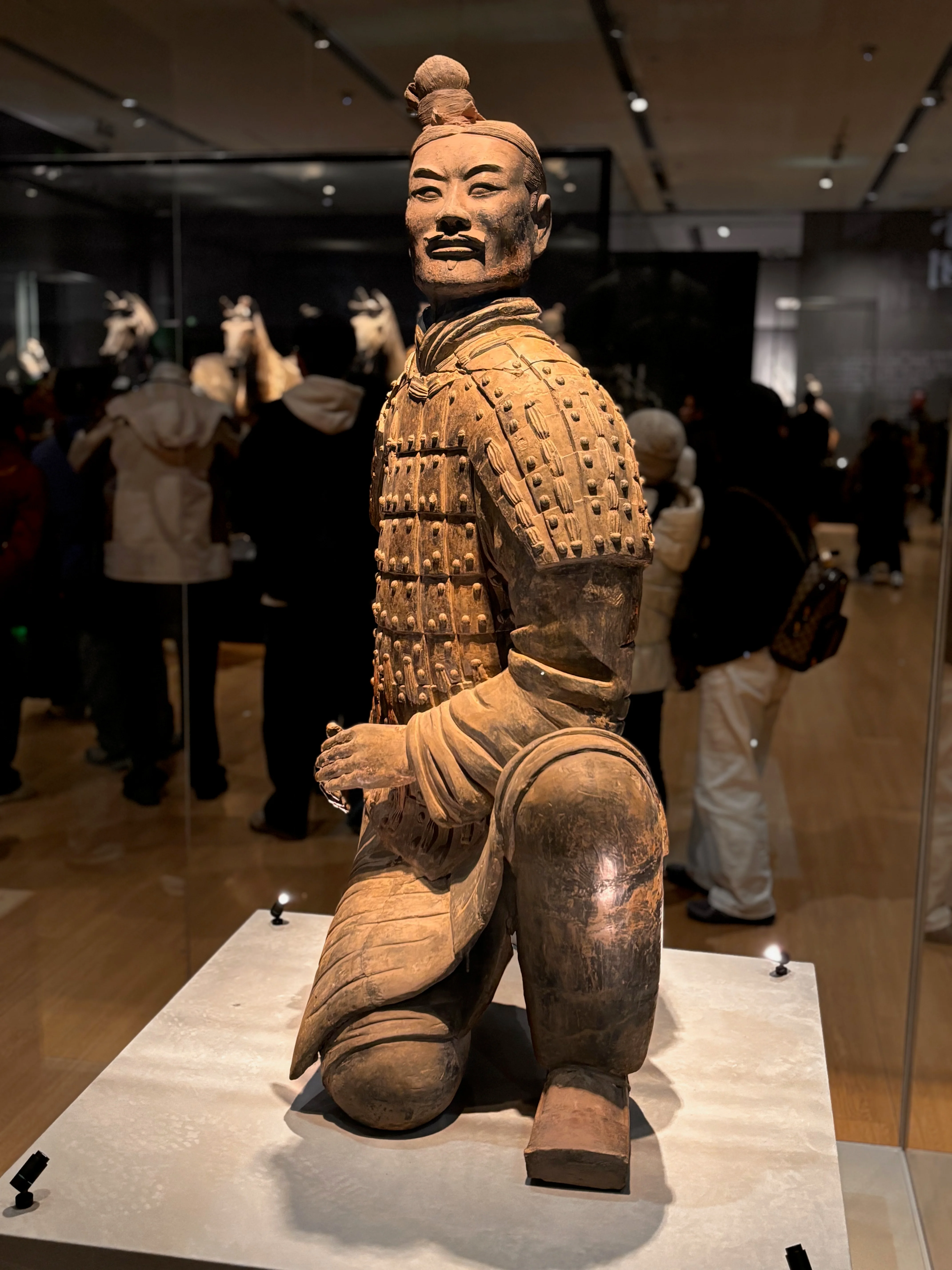
Nearby sits the mausoleum of Qin Shi Huang, though it remains sealed for both preservation and cultural reasons.
In the evening, a masseuse came to my hotel room for a Chinese massage, focused on meridians and pressure points. It was brilliant and cost just 280 Yuan.
Afterwards, I wandered into a nearby mall and was struck by the variety on offer. The bakery and meat goods were incredibly cheap, and I even spotted live fish tanks so customers could select the freshest catch for their meals.
Top Tip: If your hotel can arrange an in-room massage, take it. It is exceptional value and a brilliant way to recover after a long day.
Day 8: Xi’an to Shanghai
The bullet train to Shanghai took around seven hours. The journey itself was fine, though arriving so late in the day was frustrating. Fortunately, I had an extra day built in to explore this special city.
Accommodation:
We stayed at the Pagoda Hotel Shanghai Baixia. Again, the hotel was nice, but there was nothing nearby. The hotel is located near the metro.
Luckily, I did find a small mall nearby, though it leaned heavily towards Western stores. The area around the hotel had limited food options, but I tracked down a bowl of dumplings in soup. Ordering without the language was a challenge, though thankfully the menu had pictures.
Day 9: The Bund, Nanjing Road and a River Cruise
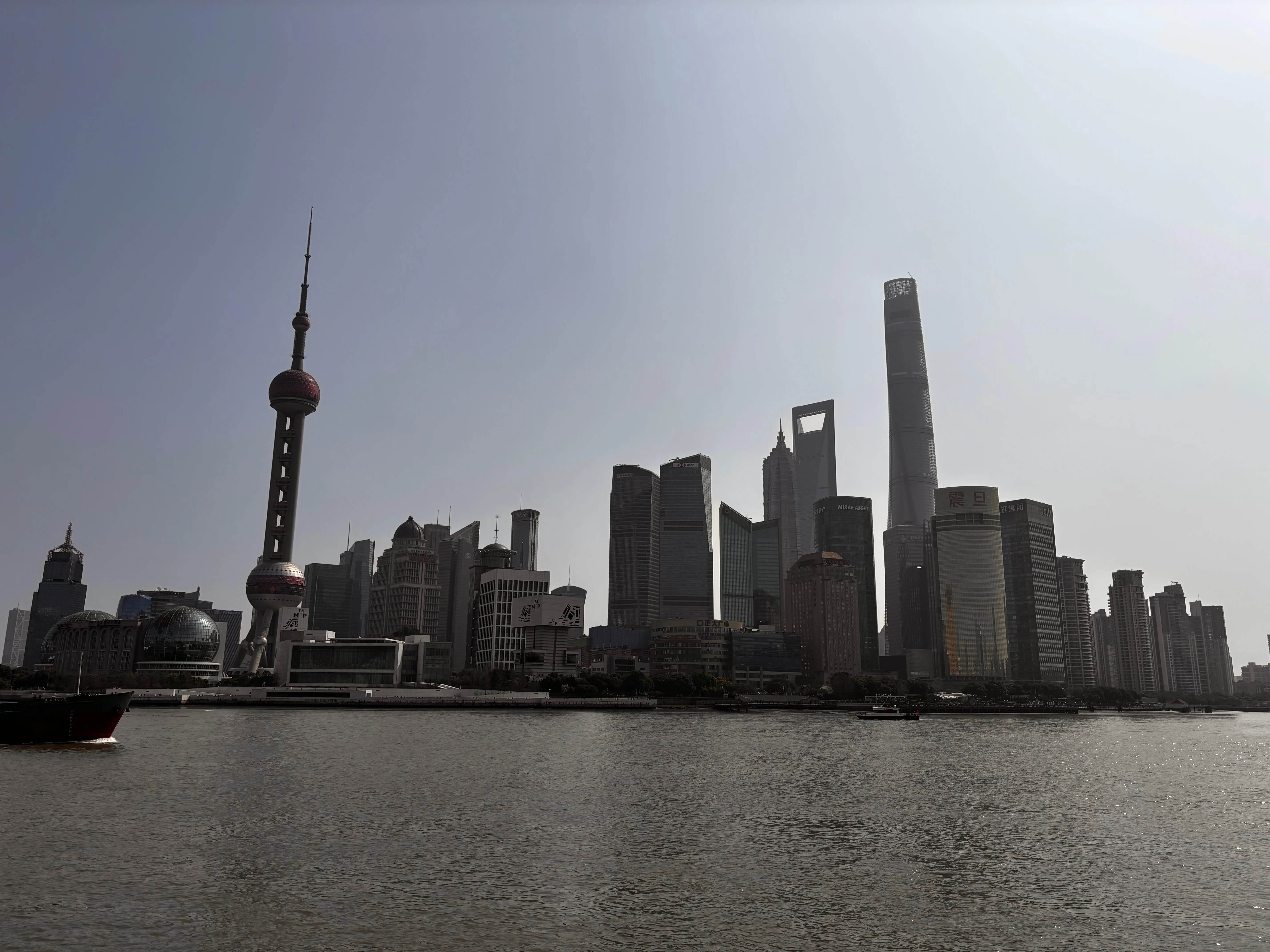
We began the morning at the Bund, a beautiful waterfront with spectacular views of modern Shanghai. I recommend popping inside the old HSBC building, where the architecture offers a fascinating glimpse into Shanghai’s colonial past. Along the waterfront, there are several striking statues well worth seeing.
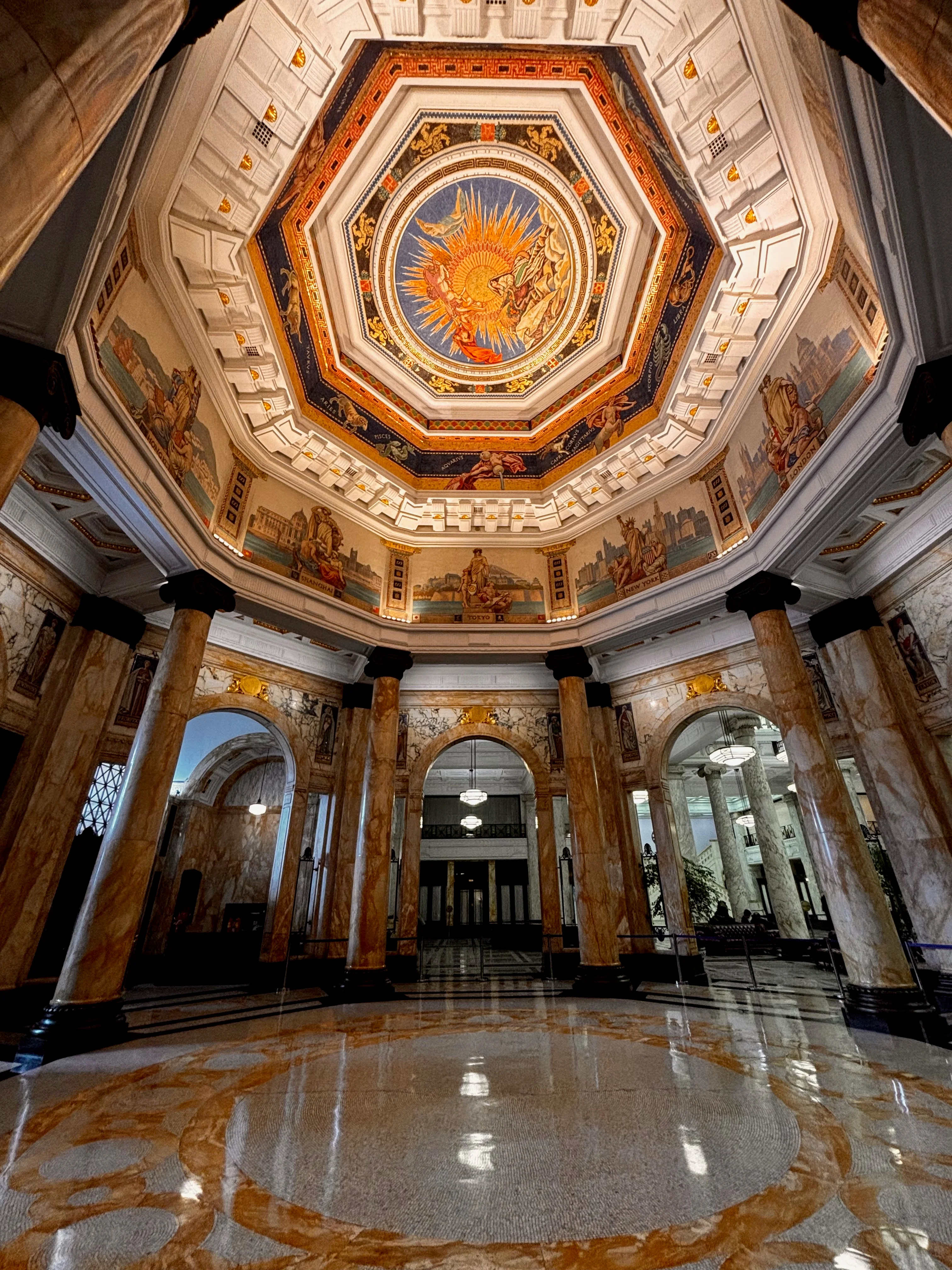 Inside the old HSBC building.
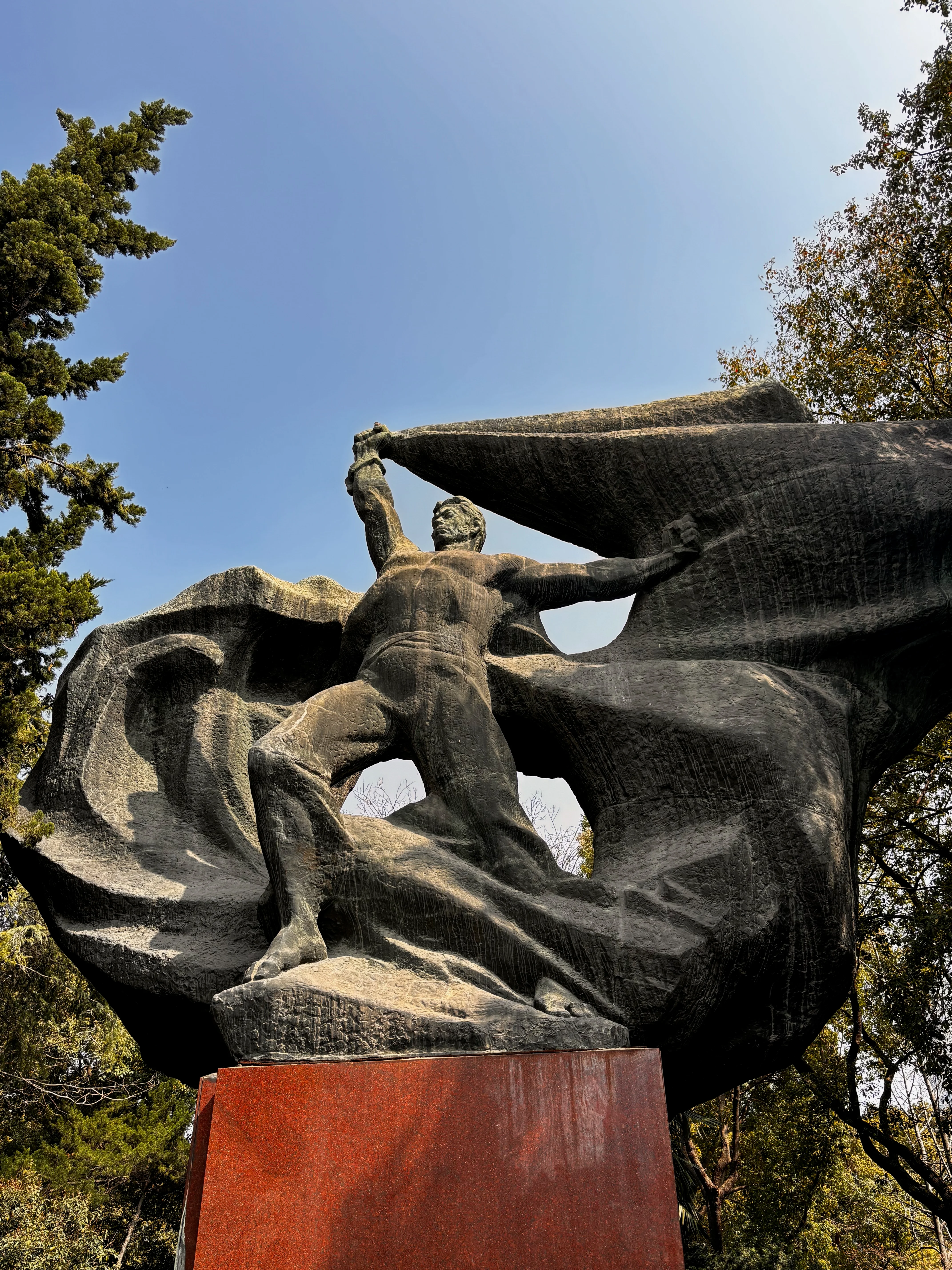 A statue located off the Bund.
Later, we explored the French Quarter, a former French-administered area now filled with upmarket shops. Lunch was at a Louis XIV-inspired restaurant, where we enjoyed a buffet of Chinese dishes including hog, curried fish and spicy chicken.
We then walked Nanjing Road, Shanghai’s main shopping street. The highlight for me was an entire building dedicated to anime and gaming, packed with every figurine imaginable.
While the group headed to the top of a nearby tower, I slipped into the lobby of the Shanghai Tower, the third tallest building in the world, grabbed a coffee and took a moment to breathe.
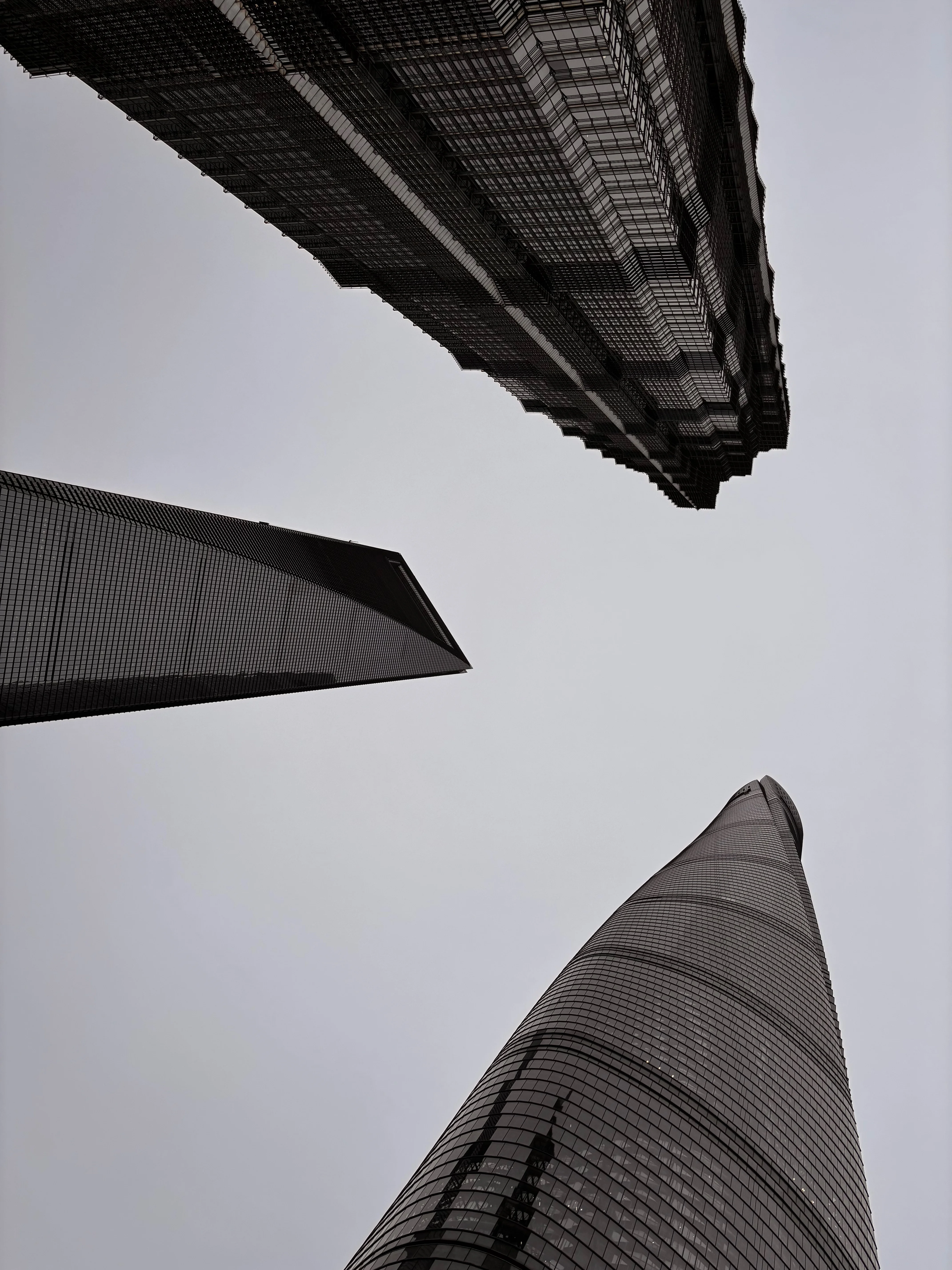 A picture of the three biggest towers in Shanghai.
We then headed to Old Town at night. Everything was beautifully lit up, and the stores offered a lovely mix of souvenirs and street food. Our guide pointed us towards a local discount shop nearby where most items were just 10 Yuan.
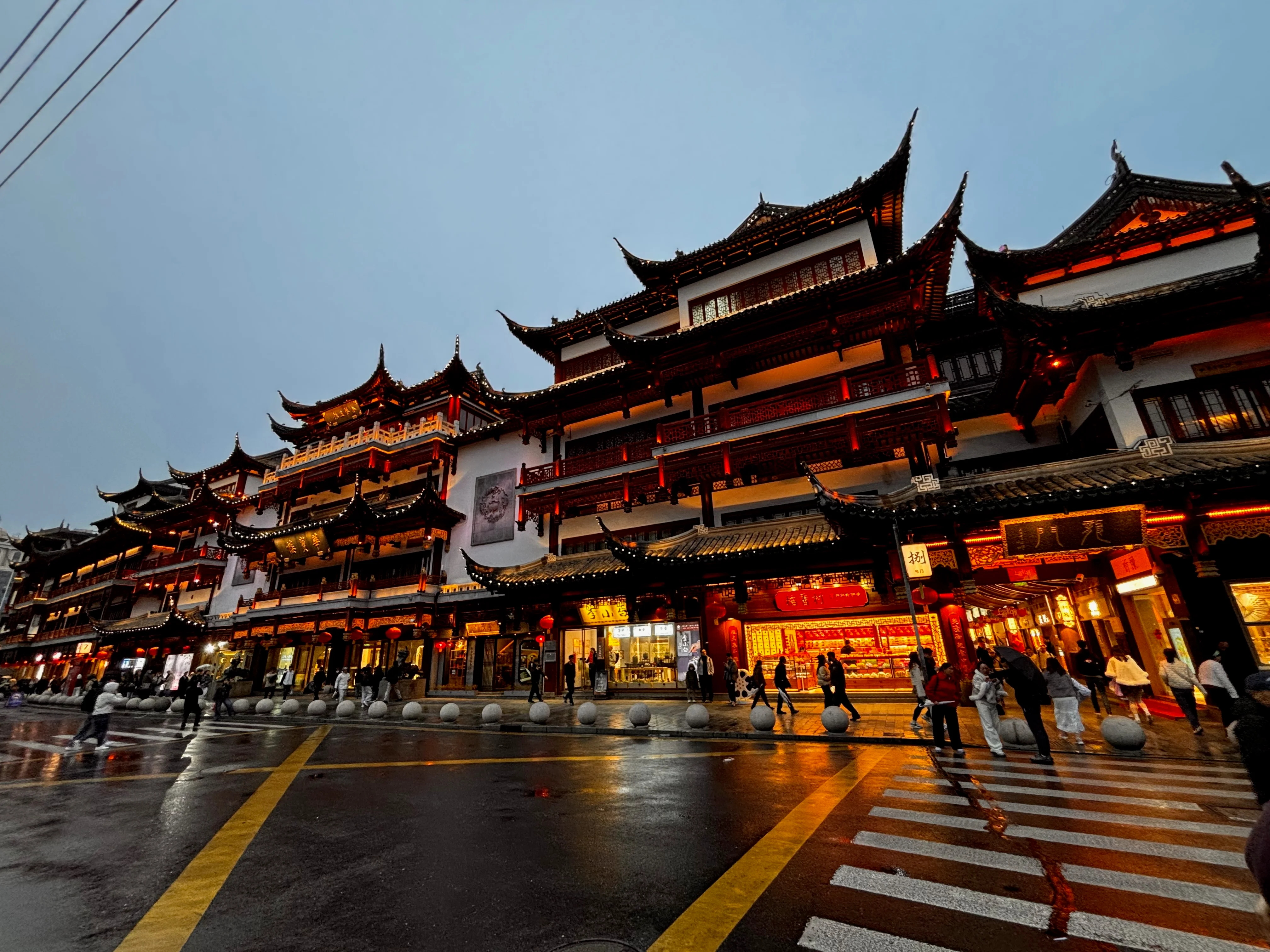 The entrance of Old Town.
The main event was the evening river cruise. The nighttime skyline of Shanghai is something else entirely. The cruise lasts only 45 minutes, but the views are spectacular and absolutely worth it.
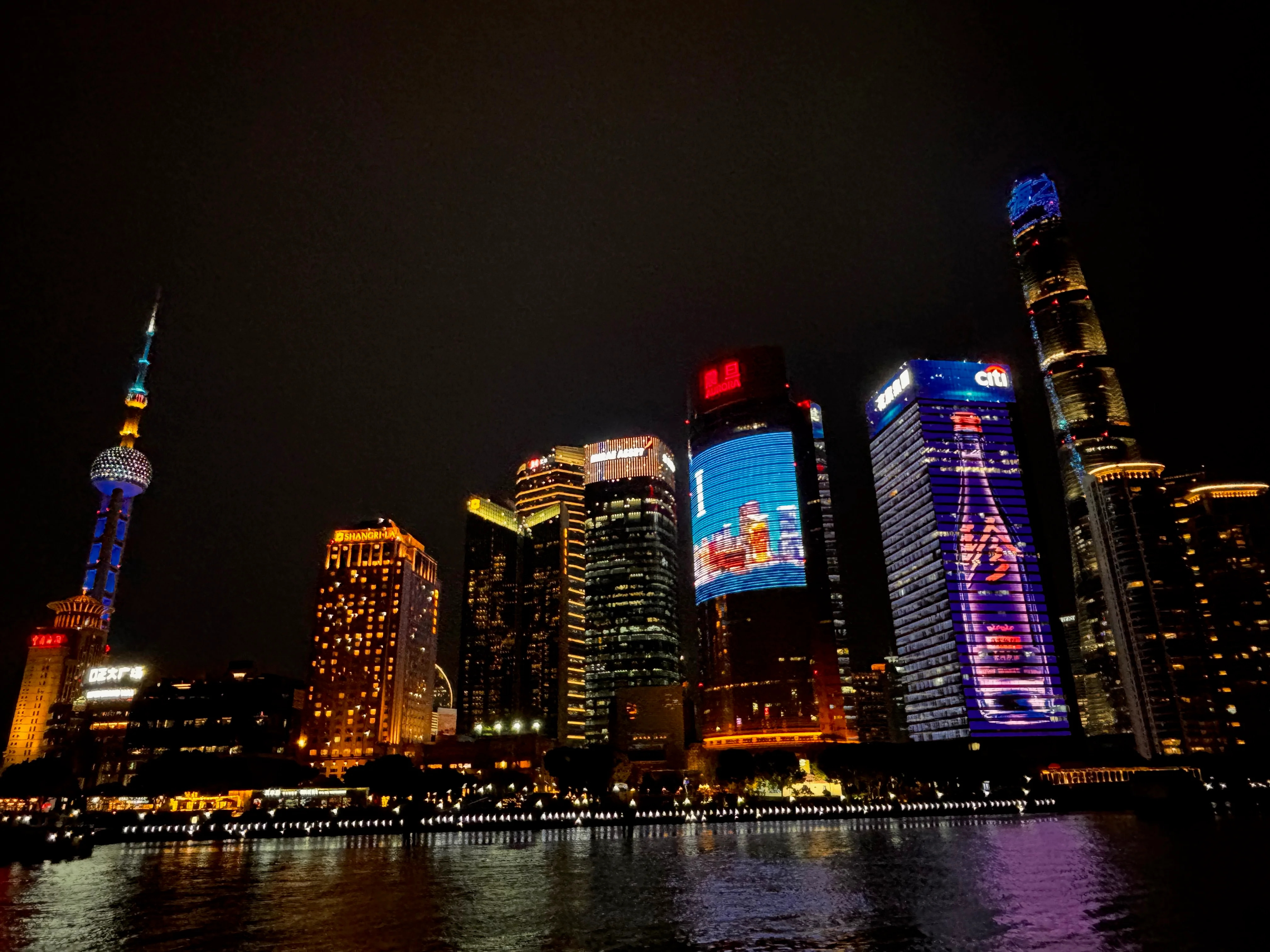
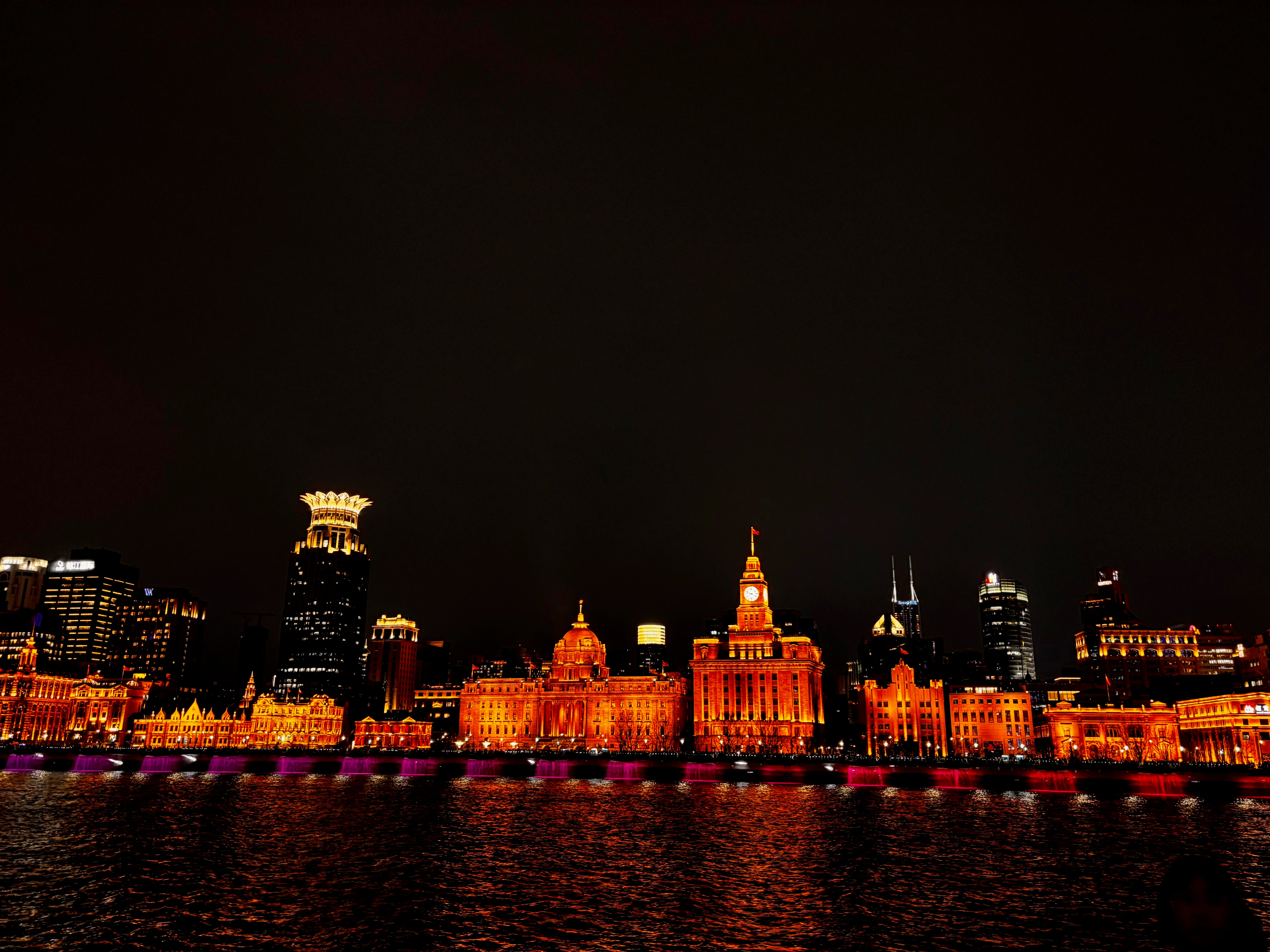
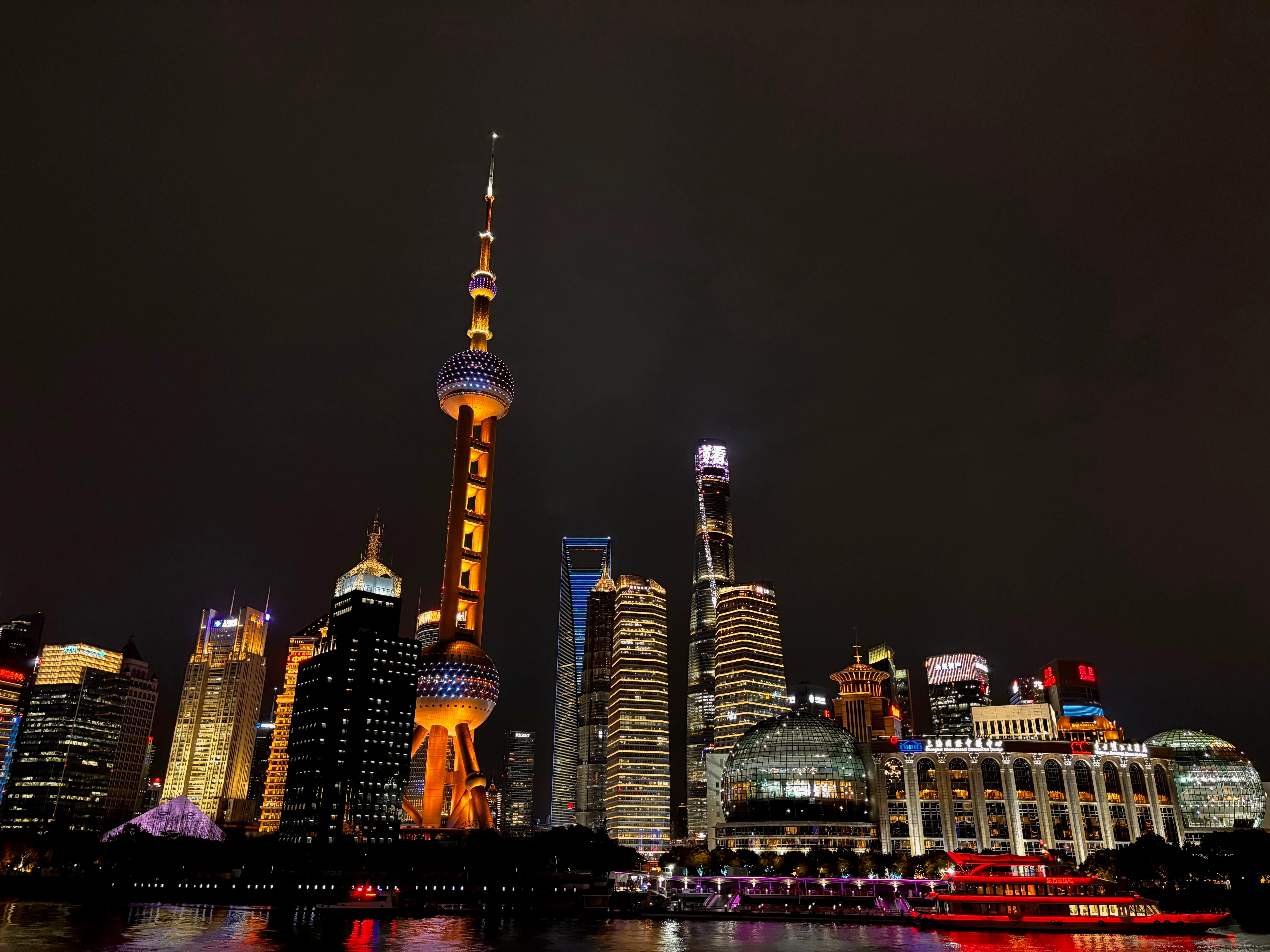
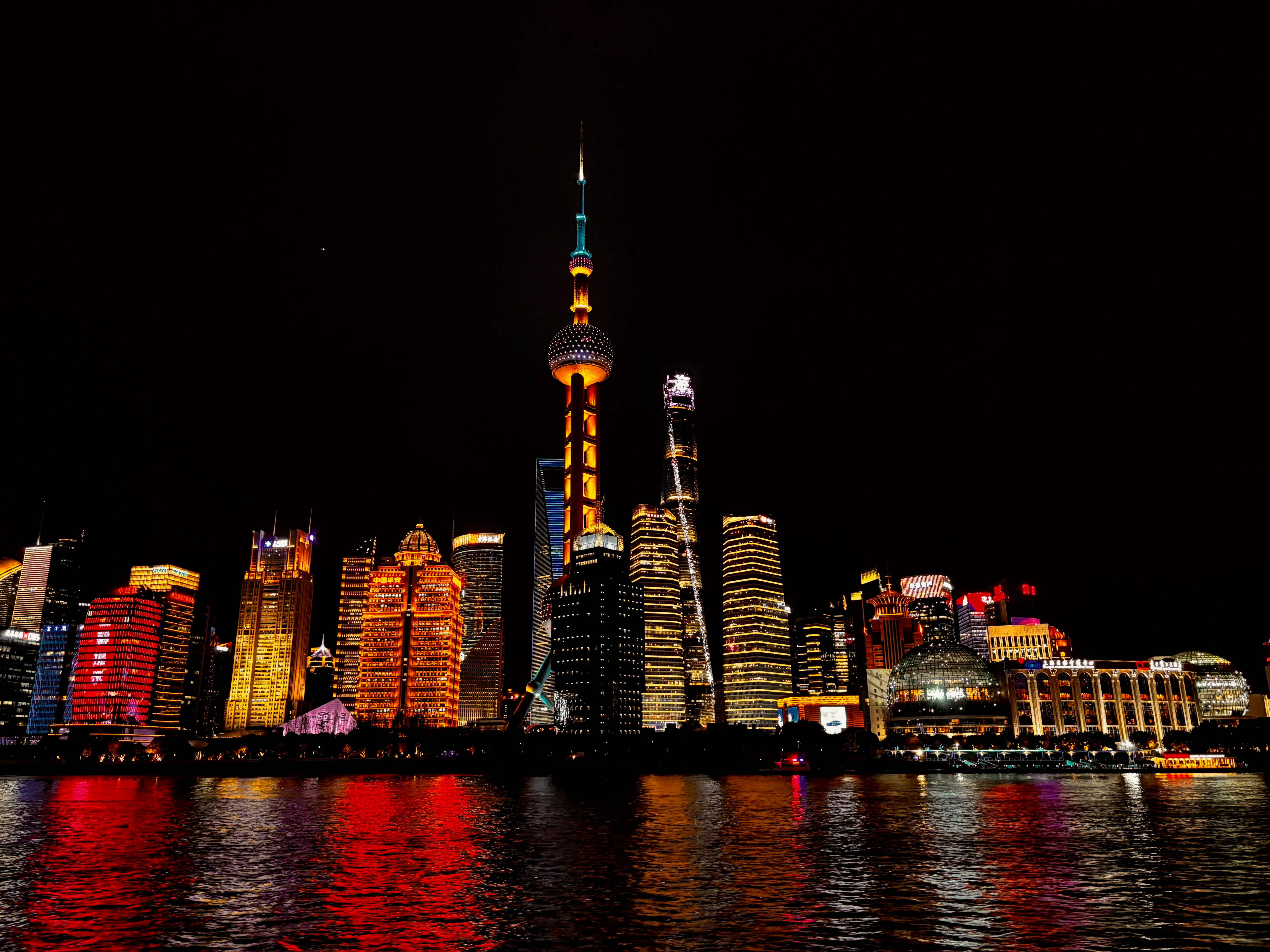
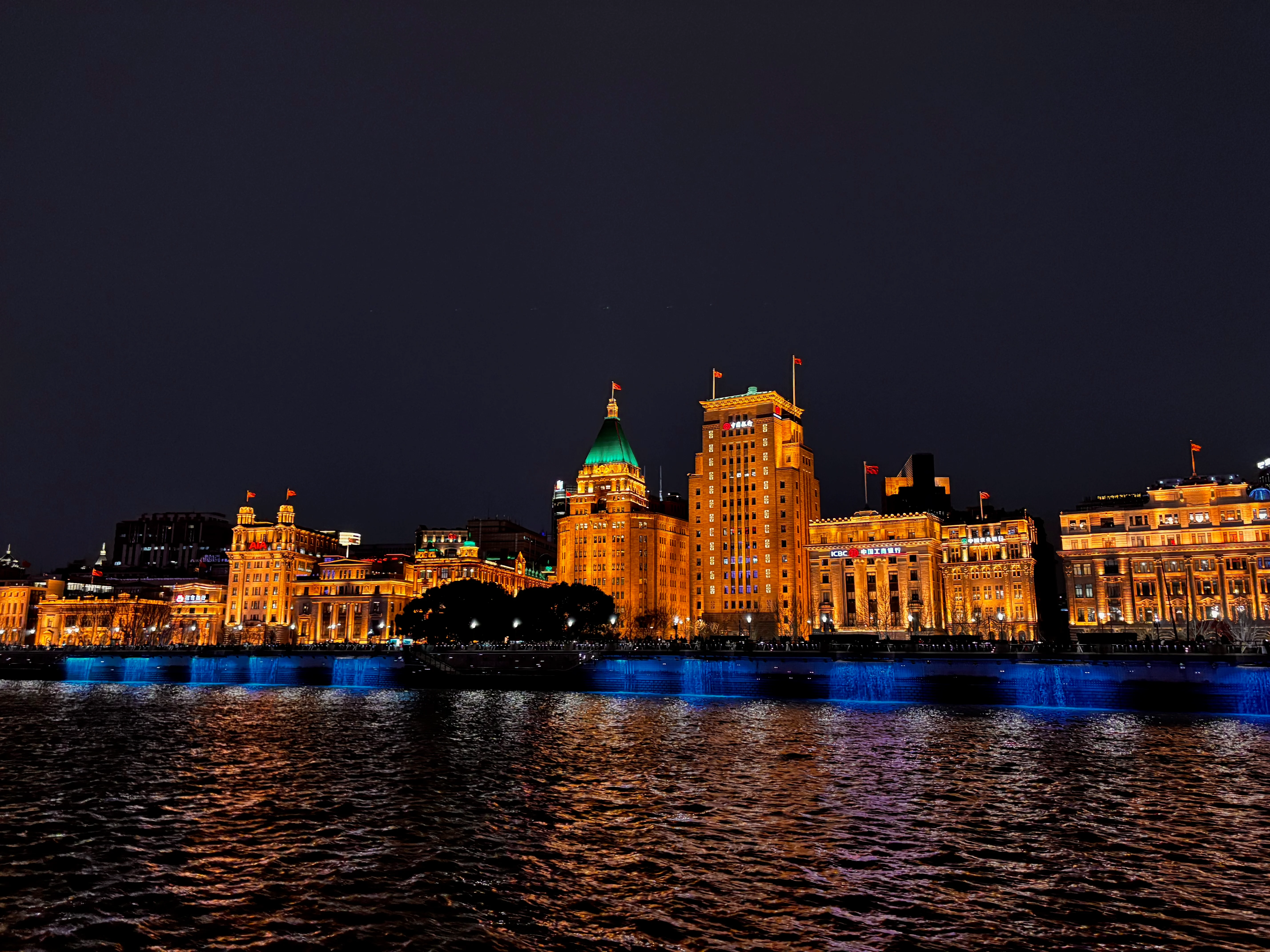
Top Tip: If you are on a budget, simply heading to the Bund at night gives you most of the same views for free.
Day 10: Shanghai Zoo, Temples and Hot Pot
I took a DiDi cab to Shanghai Zoo, booked through WeChat for the first time. The journey took about 20 minutes and cost around £3.
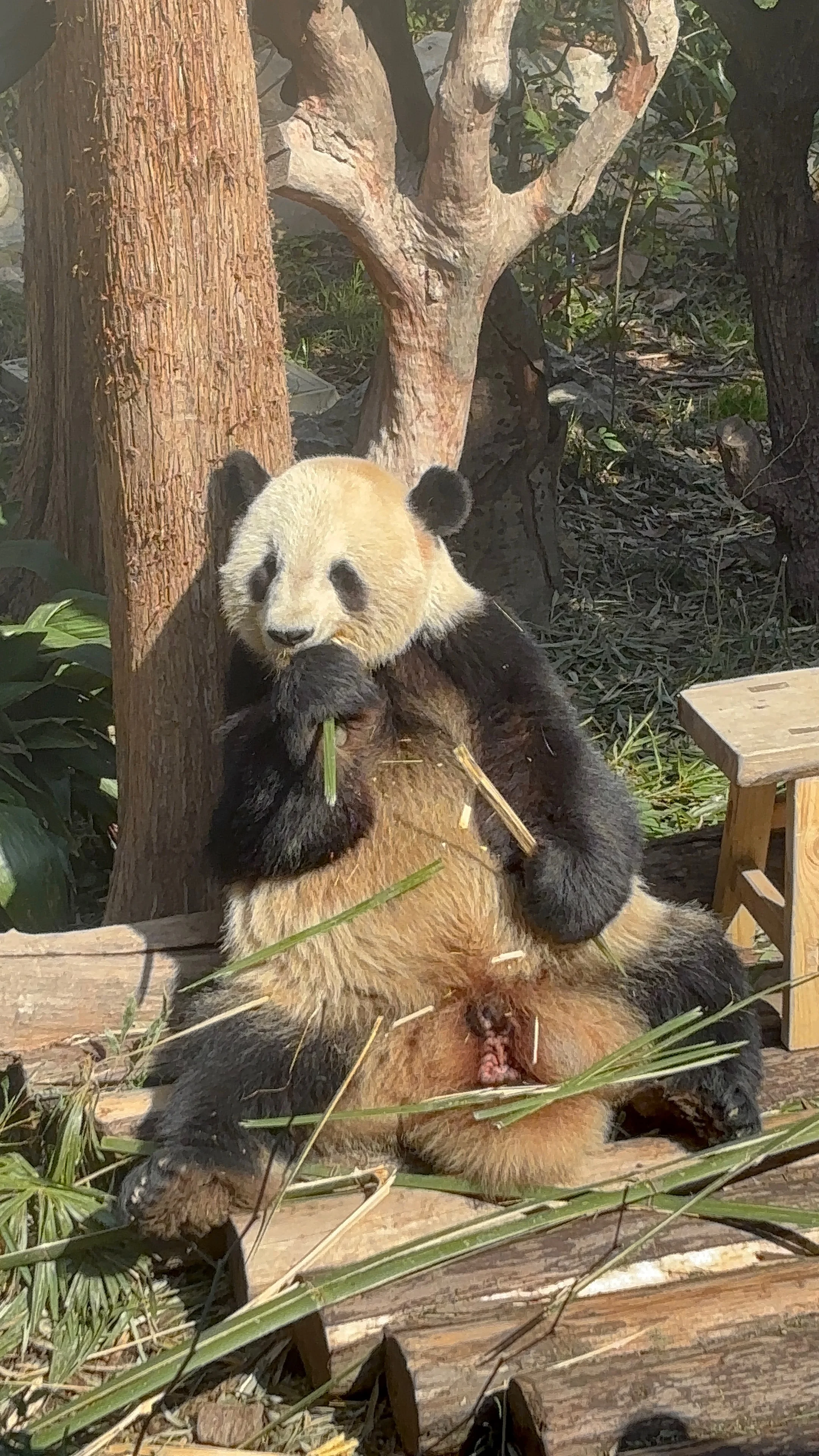
The zoo had wide walkways and lovely gardens. The personal highlight was seeing a Panda. These wonderful, lazy creatures seemed interested only in chewing bamboo. The one I watched stayed in the same position for 15 minutes. I have no doubt it was still there hours later.
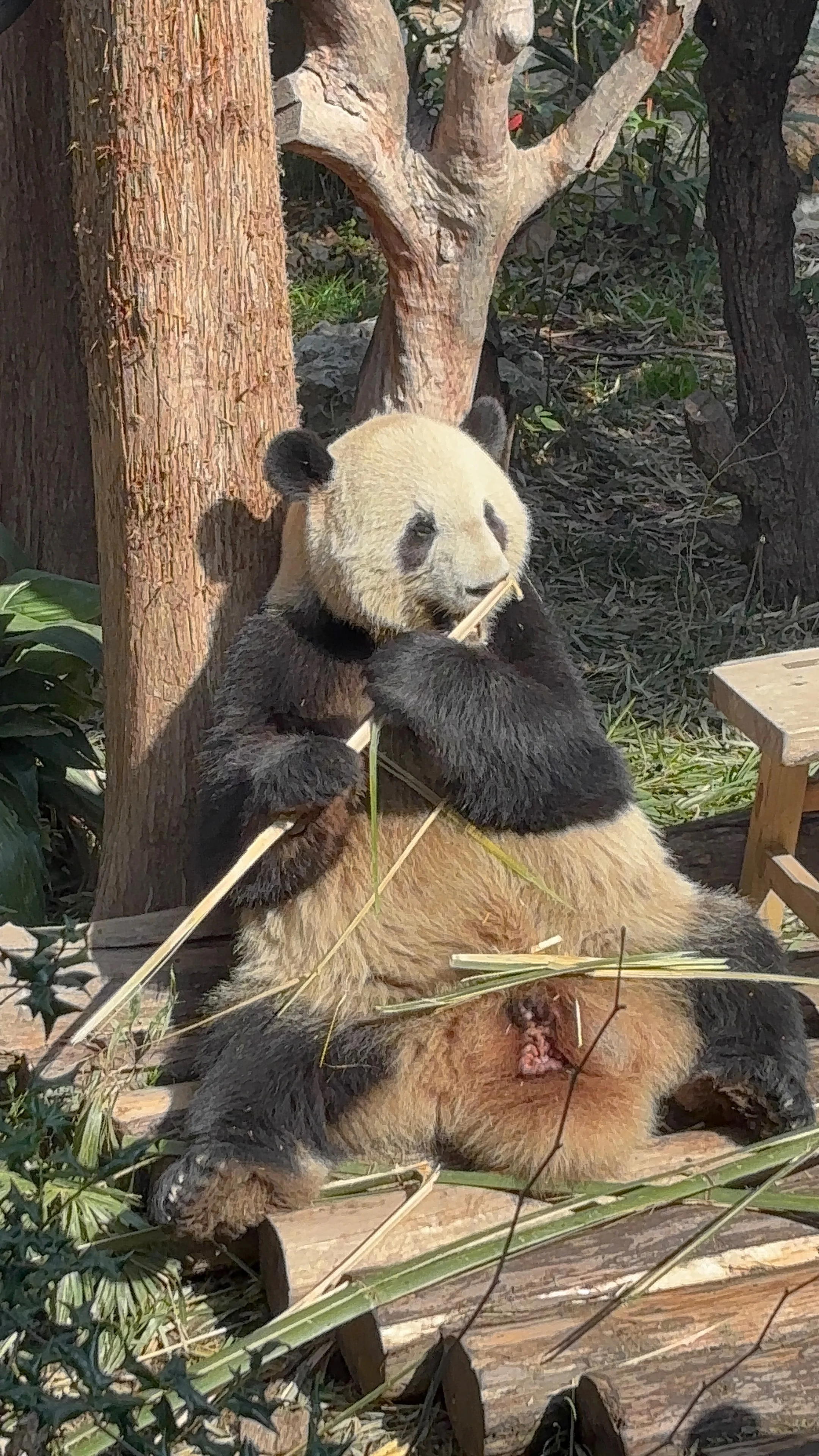
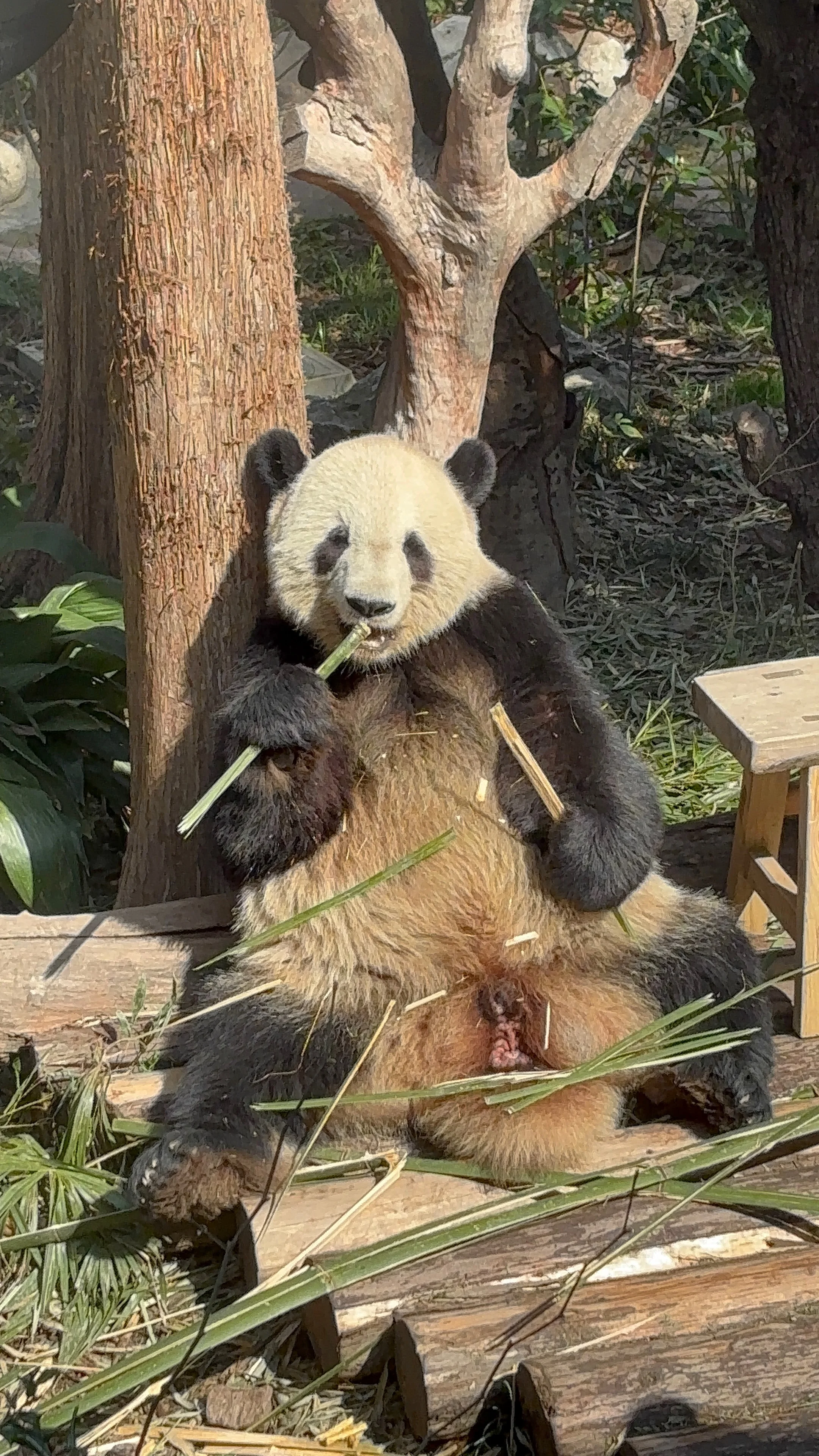
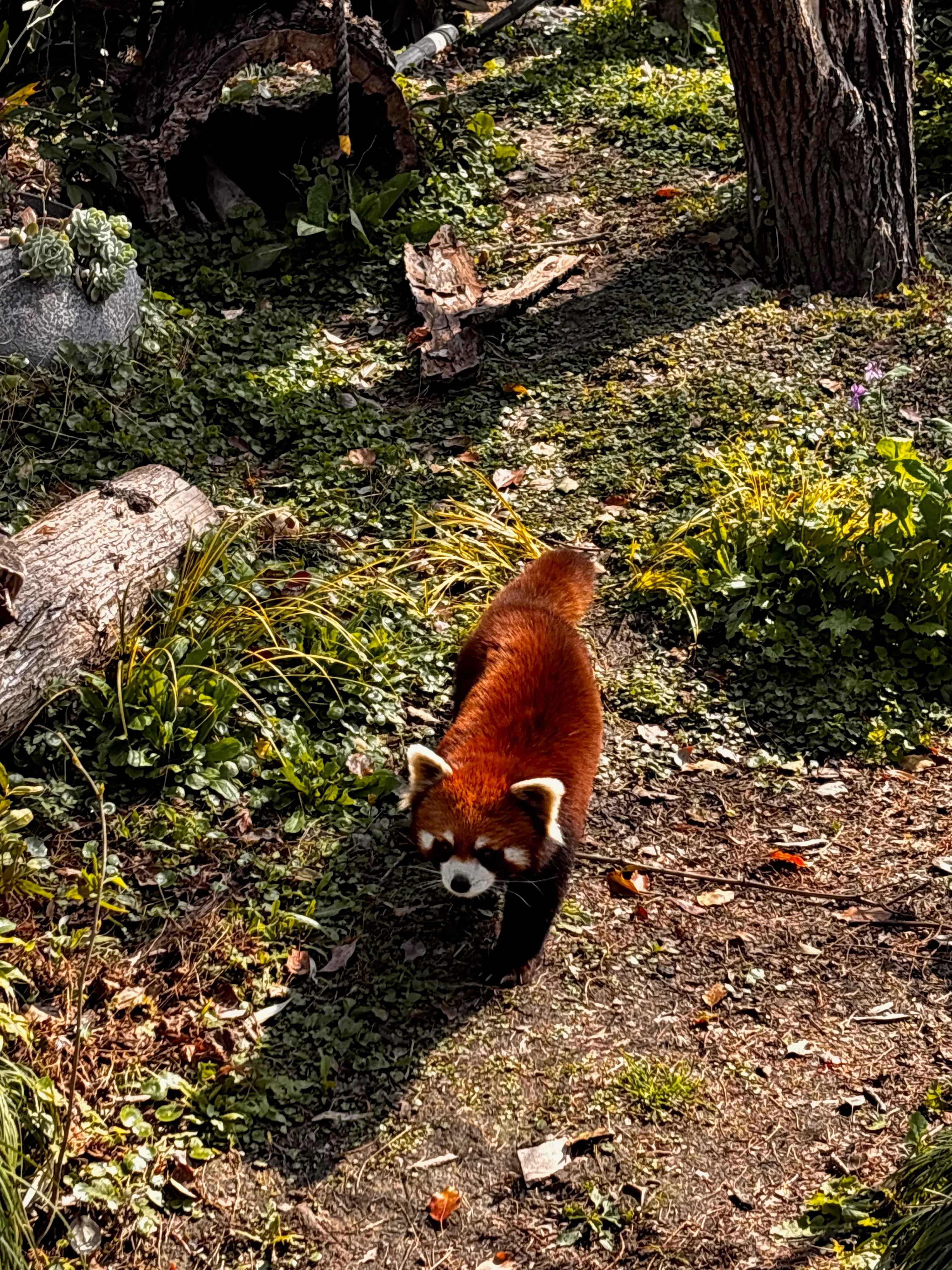
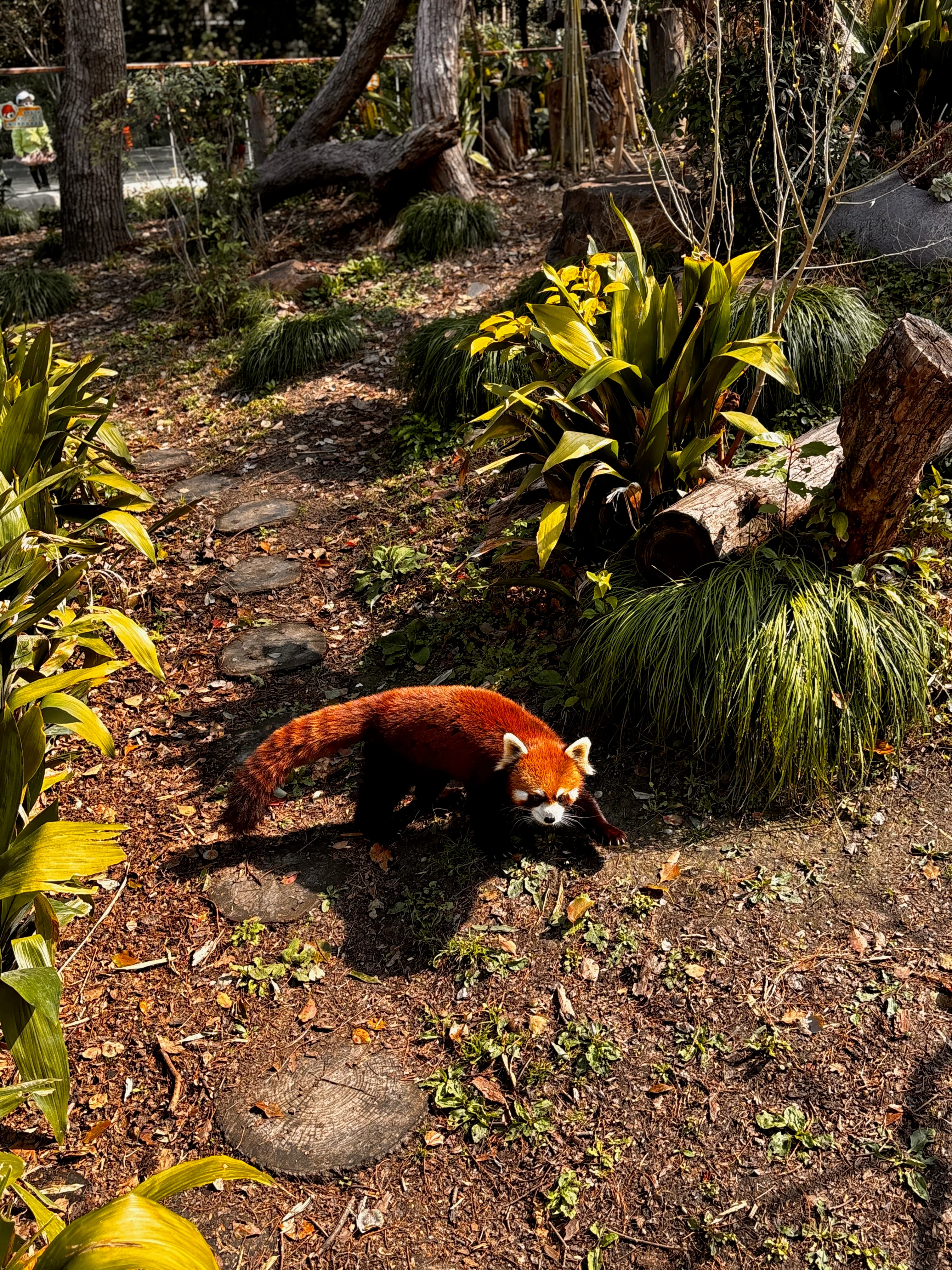
The Red Panda’s were a delightful surprise too. Far more inquisitive than expected, they darted around their enclosure and could not resist peering at the humans watching them.
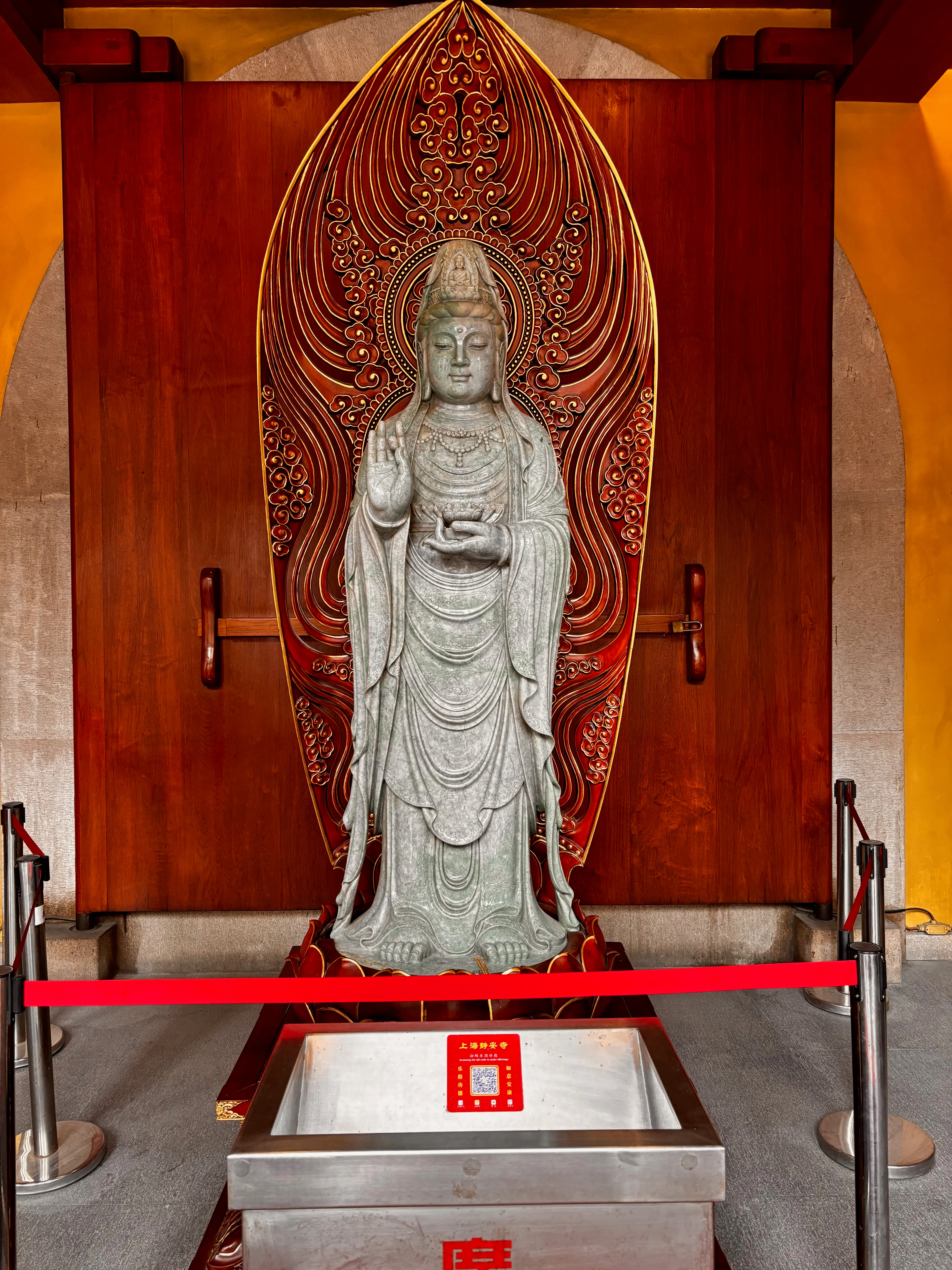
My next stop was Jing’an Temple, reached by metro. After a brief moment of uncertainty, the metro proved easier to use than the London Underground. A day pass cost just 18 Yuan. The temple sits in the heart of the city, and the contrast between the historic building and the modern skyline surrounding it is striking. Inside, stunning depictions of Buddha in wood and jade awaited.
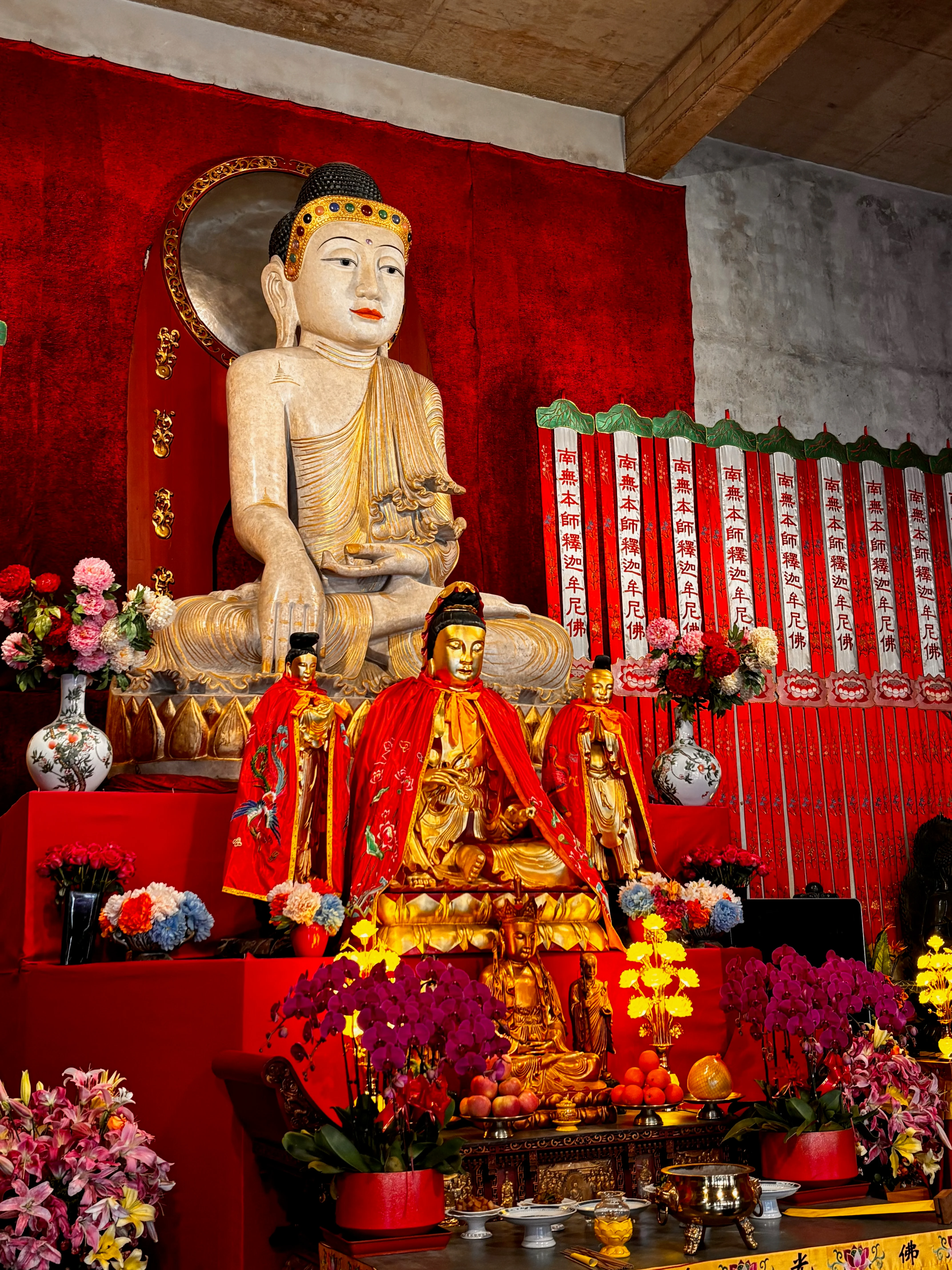
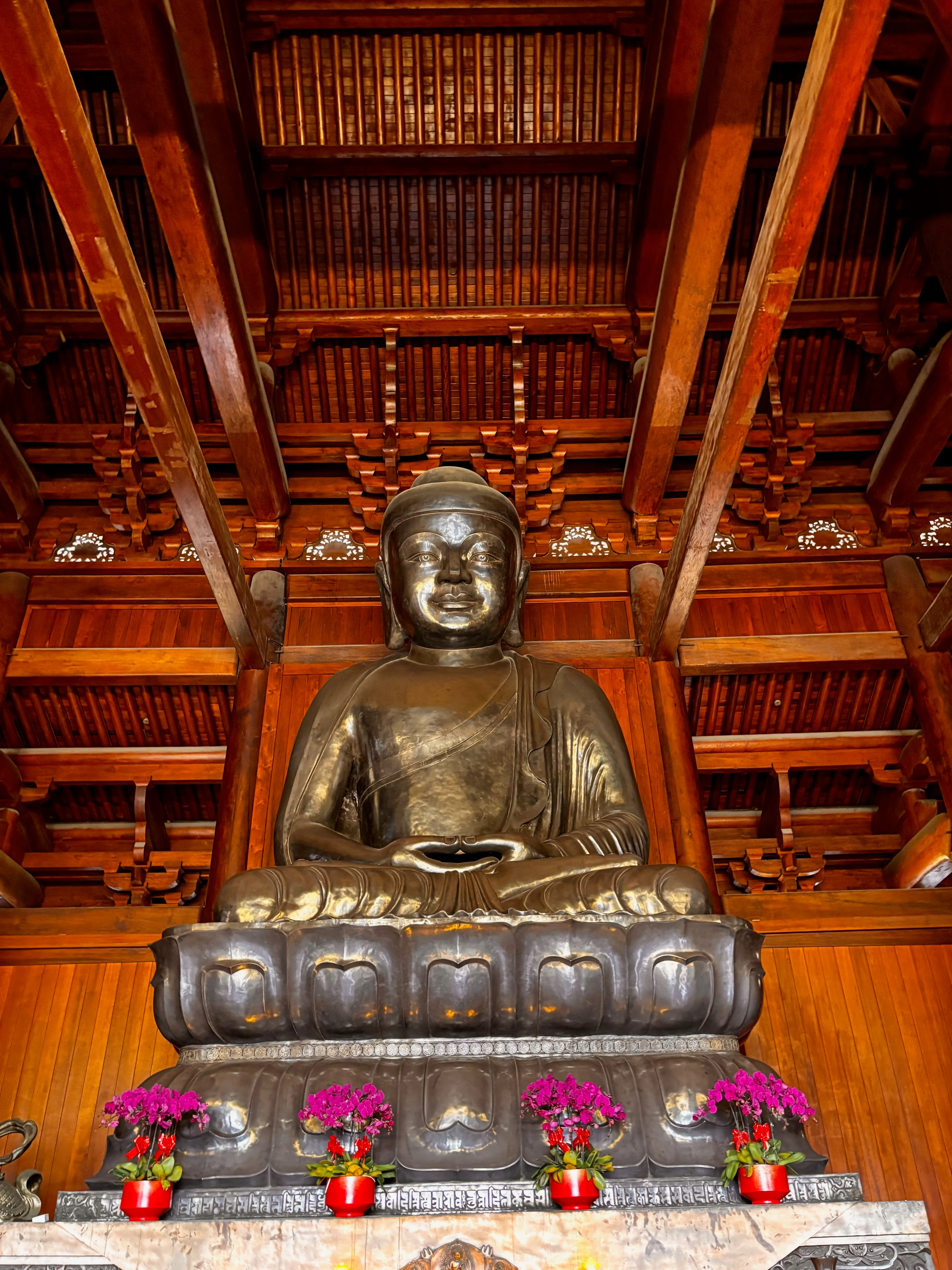
I then visited Tianzifang, a maze of narrow alleyways home to gift shops and art studios. I found it a little claustrophobic, so I settled at a nearby café with a coffee instead.
From there, I made my way to the Shanghai Museum, which houses an impressive collection of Chinese bronzes, calligraphy and jade, though several collections appeared to be closed on the day. I took a walk through People’s Square, where apparently a marriage market takes place most days, with parents seeking matches for their children.
My final cultural stop was Yu Garden, a classical Chinese garden from the 1500s. I arrived rather late and had to make a mad dash around before closing time. The garden was beautiful, though very busy.
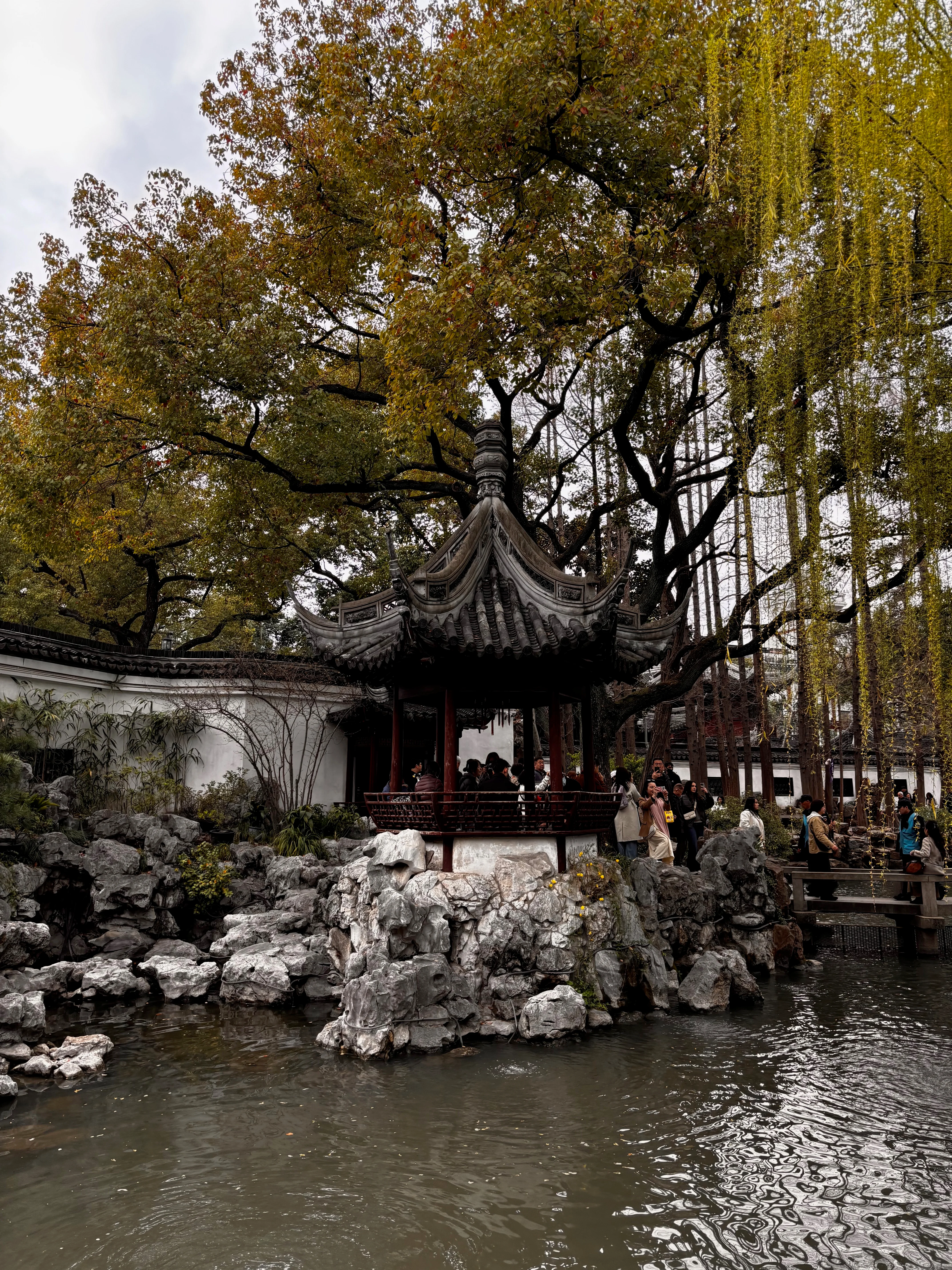 Yu Garden.
Top Tip: Yu Garden closes at 4:30pm. Arrive with enough time to enjoy it at a proper pace.
For dinner, I visited Haidilao Hot Pot. I have never been to a restaurant quite like it. Customers queuing outside are served snacks and drinks while they wait. My server, sensing I was a complete beginner, helped me order. I went far too enthusiastic and ended up drowning in meat, soup and rice. At the end of the meal, a performer appeared to entertain the children with a face-changing dance, where the mask appears to transform in an instant. Spectacular to see up close.
I finished the evening with a walk back through Old Town and along the Bund, taking one final look at that incredible skyline.
Day 11: Heading Home
Alas, the trip was over. I was up at 4:55am for a taxi to the airport. In hindsight, I would simply book through DiDi next time. Pre-arranging the taxi was unnecessary.
It had been a fantastic trip. China is a country unlike any other. Few places carry 5,000 years of history so visibly, and even fewer are racing towards the future with such confidence. I hope to return one day!